Mission Astro Logo
£0.00 0

Cart

No products in the cart.

Continue shopping
£0.00 0

Cart

No products in the cart.

Continue shopping

Astronomy resource bank: resources for kids to learn about space

Explore space in the comfort of your own home with Mission Astro’s resource bank

the voyage to vela

Resources to learn about the planets & stars

Mission Astro is frequently adding free resources for children and teenagers to learn about Astronomy.

To gain instant access to any of our free resources, simply enter your email address and we’ll zoom your resource to your inbox at the speed of light!

c certificate in space science
certificate in space science

SOLAR SYSTEM BRAIN SIZZLER WORKSHEET

Know what makes Uranus blue? Can you name the farthest planet from the sun?

Download this free space-themed quiz and printable worksheet for your next lesson. It’s also a great resource for family quizzes around the dinner table!

HOW TO PLAN THE PERFECT
STARGAZING EVENING - A GUIDE

Embrace the pure magic of a night scattered with starlight with your family. Add some smores and a mug of hot chocolate and you’ll be making core memories with an educational twist.

Learn, step-by-step how to stargaze like a pro and how to identify what you’re looking at. Our easy-to-implement guide is the perfect instruction manual for your next stargazing night.

night on the alps under starry sky and moonlight

Learn about space

We’re always adding to our Resource Bank to help under-18s around the United Kingdom develop their love for astronomy.

While you’re waiting for free astronomy resources, take a look at our blog articles that teach you about so many areas of space.

c certificate in space science
t+w time hop
November 3, 2026

Hidden Connections in the Night Sky

The night sky can sometimes seem unchanging and 2D. In this blog, Dr Sarah Crick talks about how she uses the distance to stars to connect them to historical moments on Earth. This creates rich stories and deeper connections with the objects in our universe. Be prepared to never look at the sky the same again!
world space week
November 3, 2026

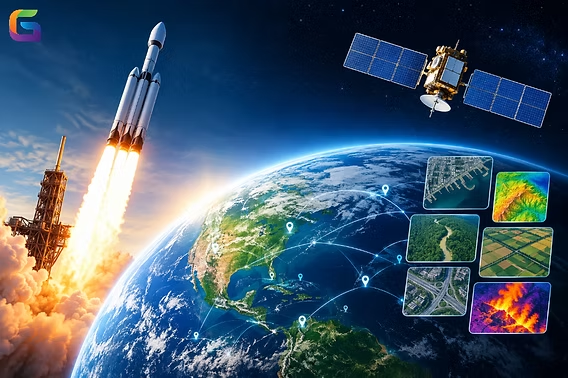
Rocket Revolution

The last decade has seen a rocket revolution. Commercial companies are driving the transformation with competition driving innovation and significantly reducing costs. The future of space exploration and travel looks exciting with continued evolution and development of technologies, allowing humanity to explore and investigate space further than ever before. Dr Heather Campbell

art002e015231~large
November 3, 2026

Hunting for Earth-like exoplanets

Over 30 years ago the first exoplanet was discovered. Since then, astronomers have confirmed over 6,000 more exoplanets in our galaxy. However, we now predict there are far more planets than stars in our Milky Way Galaxy. We are finding many Earth-like planets, and plenty of them are located in the habitable zone around their stars. Current and future space based missions are allowing astronomers to learn so much more about these extrasolar planets than ever before.

roman telescope
September 30, 2026

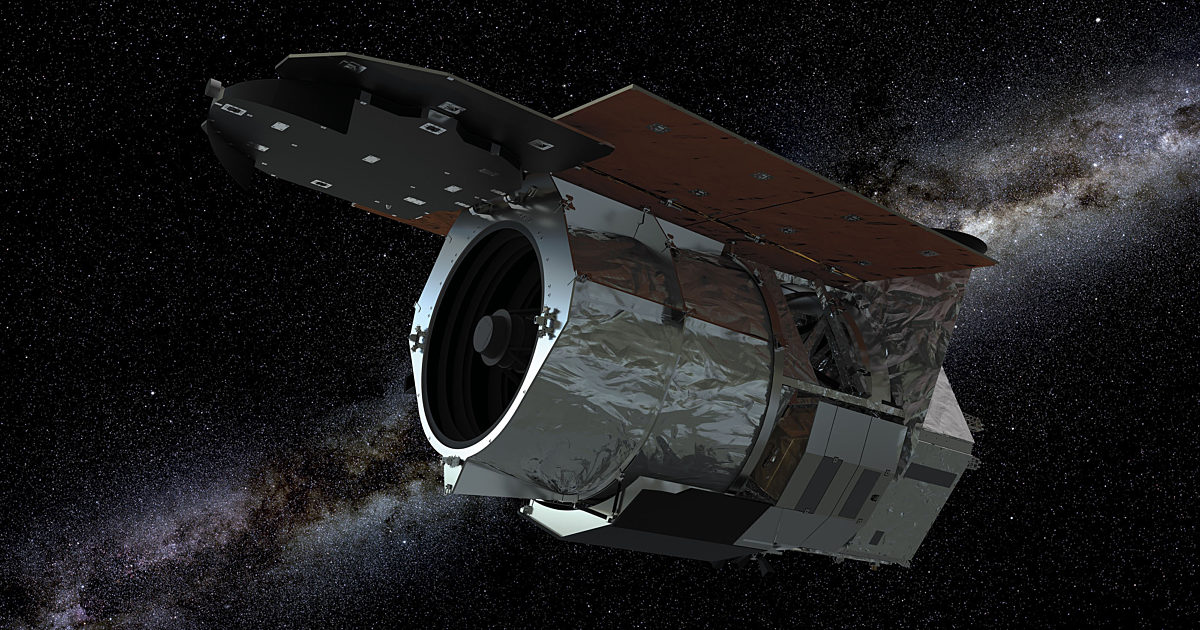
Nancy Grace Roman Space Telescope: Launched and ready for action

The Roman telescope is an infrared telescope, launched into space on 30th August, on its way to L2. It is the same size as Hubble, but each image will cover the same area of sky as 100 Hubble images with the same clarity Hubble has in optical light. Roman will revolutionize our understanding of exoplanets in our Milky Way galaxy, Dark Matter and Dark Energy.

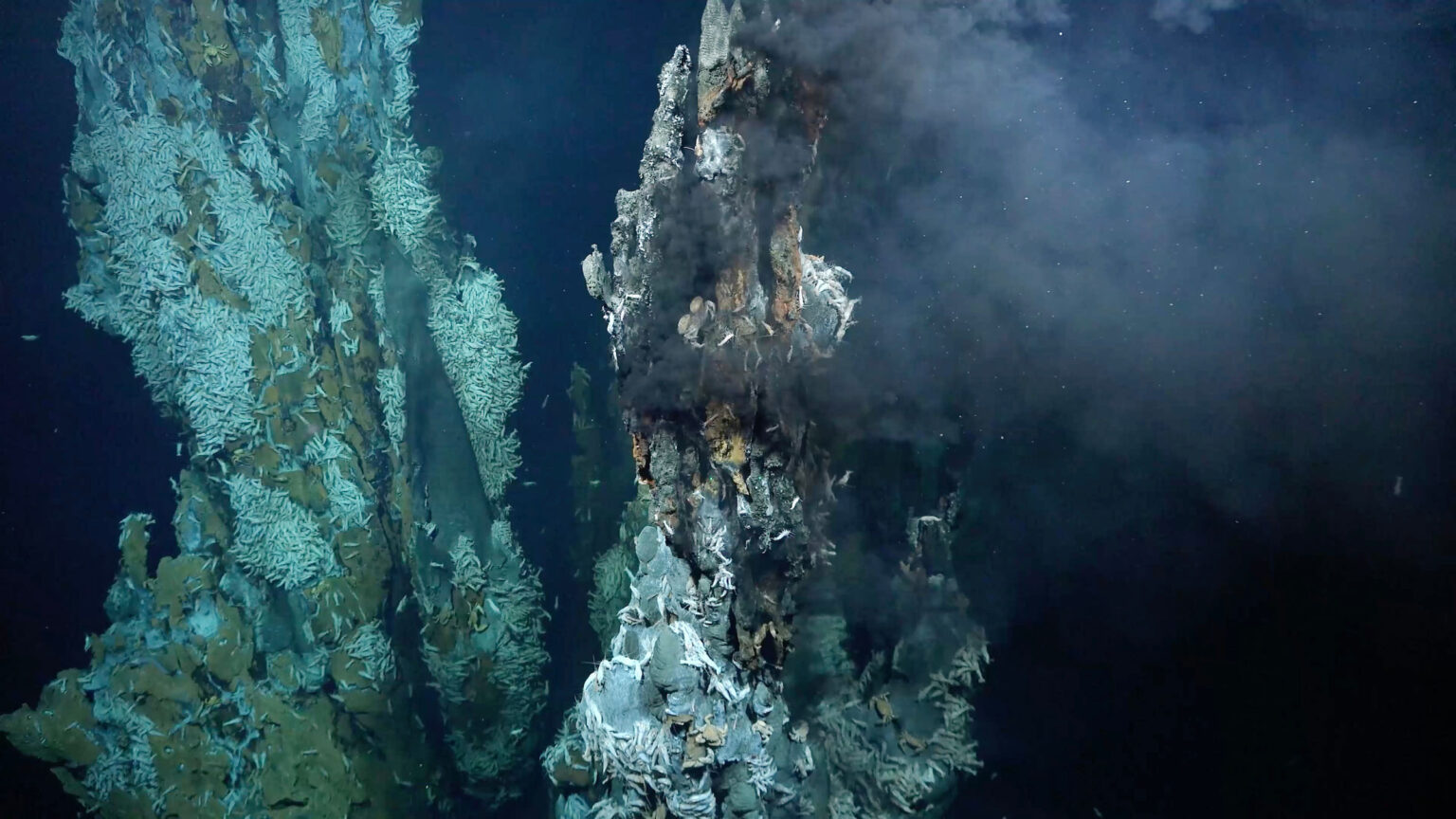
newly discovered hydrothermal vent field on puy des folles seamount in the mid atlantic ridge
June 9, 2026

Are Aliens Closer than You think?

Finding aliens is a hot topic. In this blog, Dr Sarah Crick explores the places in the Solar System that could support life off Earth.

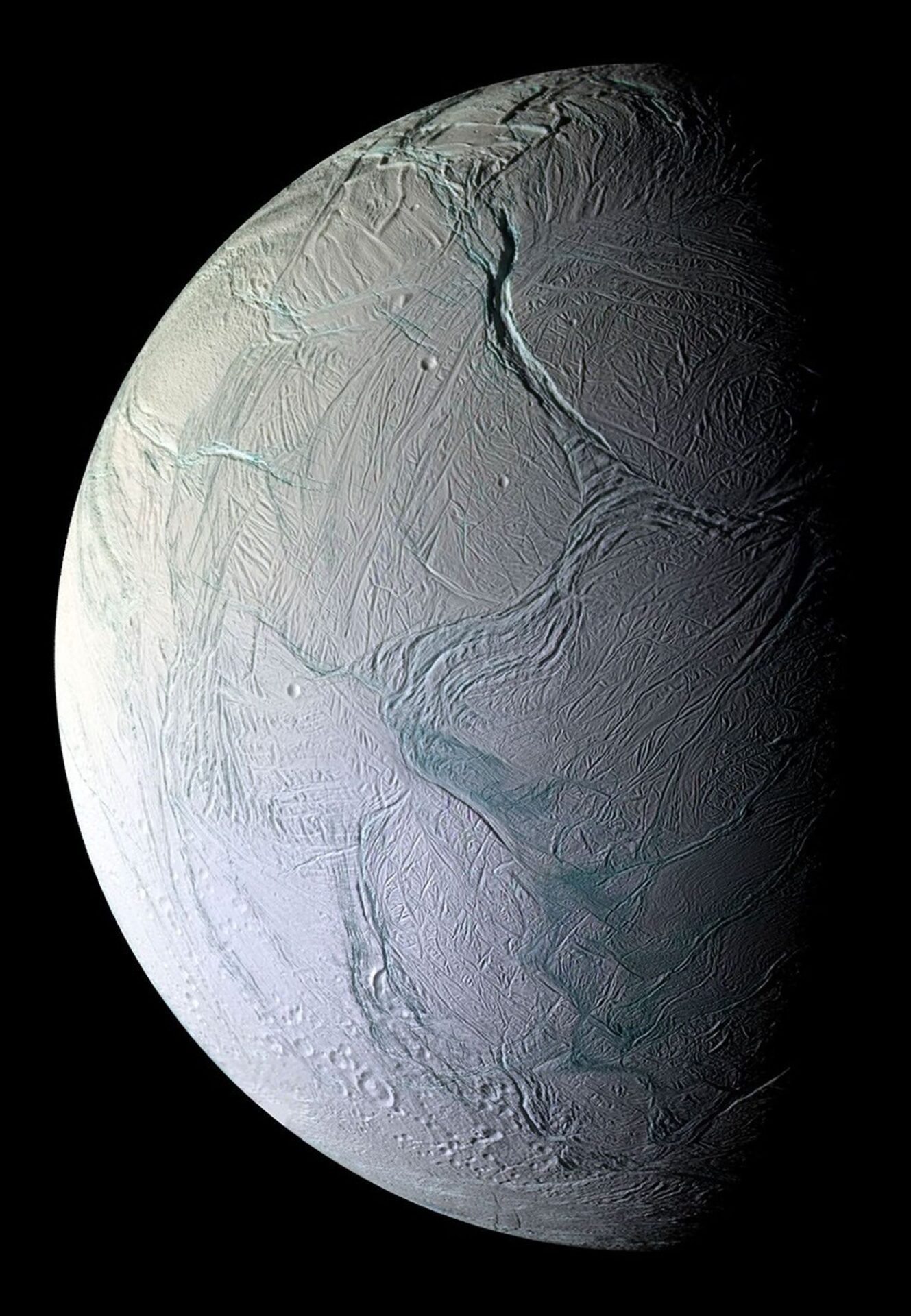
Saturn's moon Enceladus
May 19, 2026

The Top 10 coolest facts about Enceladus

Enceladus is one of Saturn’s moons. It is a relatively small, icy world which has geyser-like jets that spray water vapor and ice particles out into space. Dr Heather Campbell tells us 10 fascinating facts about this space snow moon!

art002e015231~large
May 1, 2026

Artemis II: Return to the Moon

Artemis II happened in April 2026 and it reshaped history. Four astronauts, one capsule, eight billion humans watching … here’s our Academic Manager Heather Campbell’s take on NASA’s latest Moon adventure.

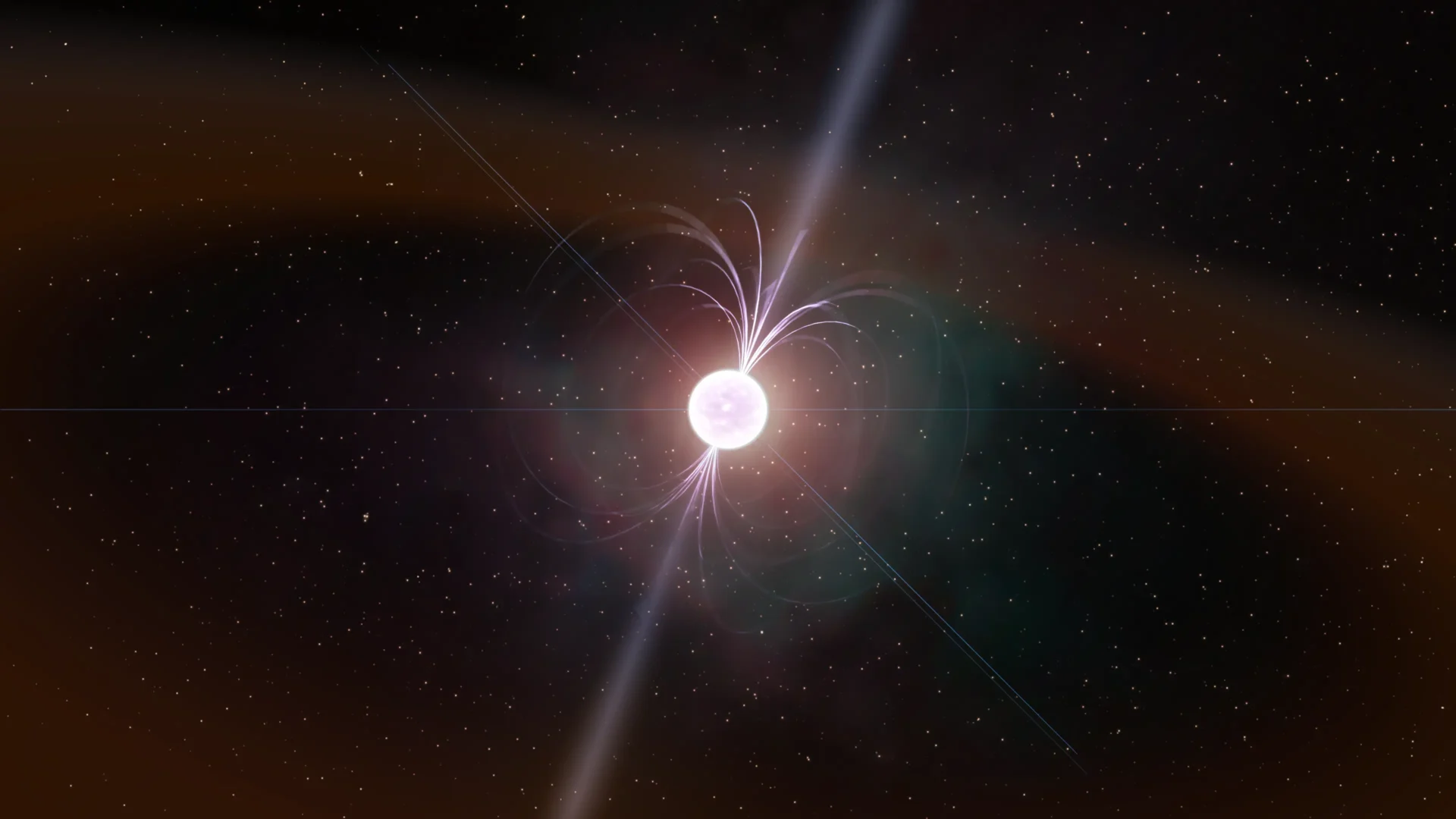
Neutron star
April 28, 2026

The Tiny Rule That Shapes the Universe

There’s a rule in physics that’s so small yet powerful enough to hold up entire stars. Laura Ash explains how subatomic particle personal space plays a role in stellar death.

Follow Mission Astro On:

Website and course built and managed by Web X Design Studio