There is a huge variety of shapes, sizes and colours of galaxies. In fact, scientists predict there are over a trillion galaxies in the Universe, and no two are the same. How the galaxies look reflects their formation history.
If they are all different, can we group them?
Although galaxies are all different, they fall into a few broad classification groups; orderly spirals, smooth ellipticals or strange irregular galaxies caused by galaxy mergers. These classifications were developed by Edwin Hubble, who the Hubble Space Telescope (HST) was named after, in 1926 based on the galaxy’s shapes or morphologies.
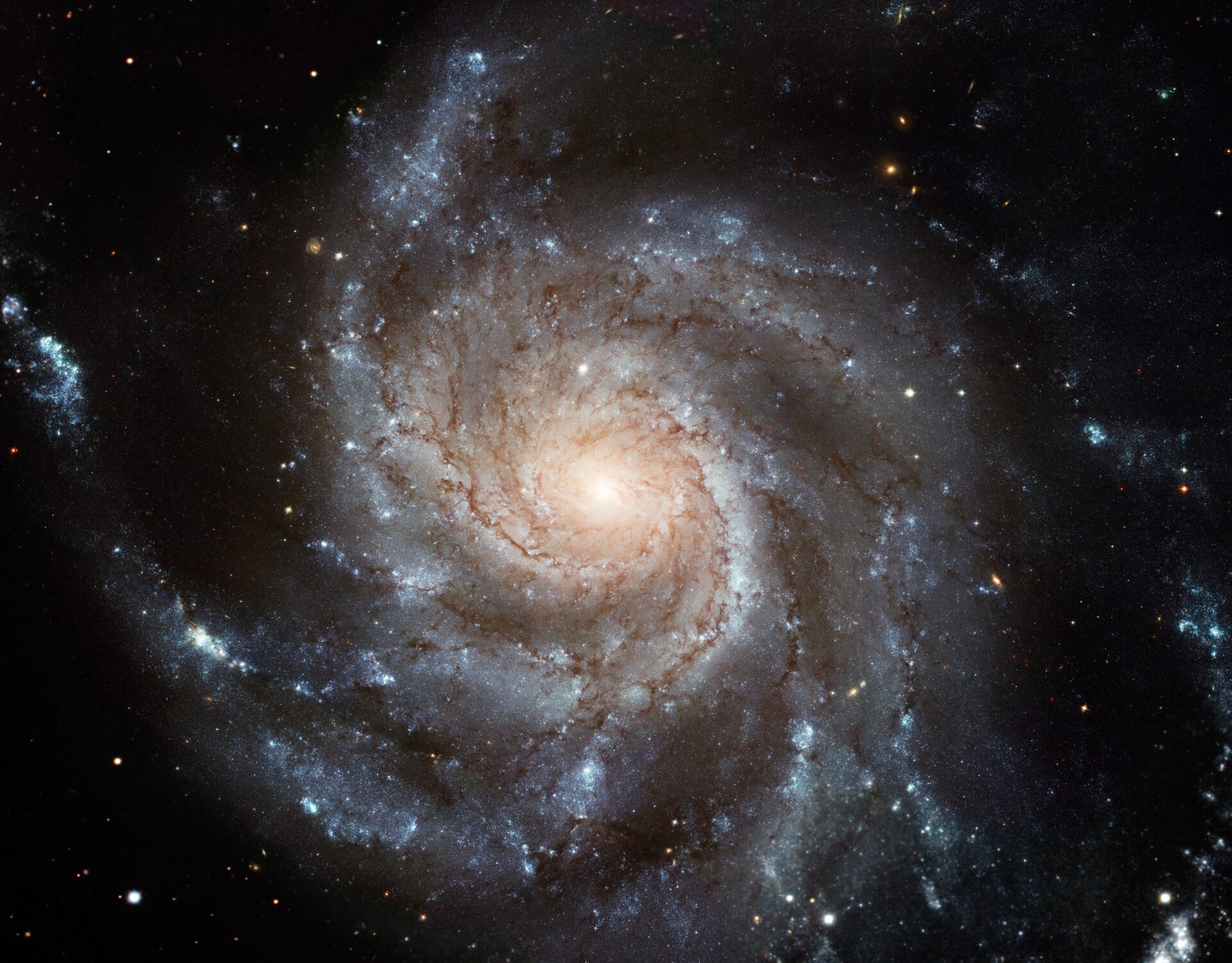
Spiral:Galaxies, such as our own Milky Way, have a disk-like shape, with arms that wind out from a bulge in the Galactic Centre. These are mostly younger galaxies still actively forming stars.
Image of a beautiful spiral galaxy called Pinwheel Galaxy (Messier 101). Credit: NASA, ESA, K. Kuntz (JHU), F. Bresolin (University of Hawaii), J. Trauger (Jet Propulsion Lab), J. Mould (NOAO), Y.-H. Chu (University of Illinois, Urbana) and STScI; CFHT Image: Canada-France-Hawaii Telescope/J.-C. Cuillandre/Coelum; NOAO Image: G. Jacoby, B. Bohannan, M. Hanna/NOAO/AURA/NSF https://science.nasa.gov/mission/hubble/science/explore-the-night-sky/hubble-messier-catalog/messier-101/
The Messier catalogue, started by astronomer Charles Messier in the 18th Century, includes some of the most fascinating nearby astronomical objects. This image of M101 is one of the largest images Hubble has ever captured of a spiral galaxy. It is composed of 51 exposures taken during various studies over nearly ten years. It is a compilation of infrared and visible-light images. It also includes some ground-based images to fill in any gaps where Hubble did not observe.
The Pinwheel Galaxy is a giant spiral disk of stars, dust, and gas. It is approximately 170,000 light-years in diameter, nearly twice the distance across our own galaxy, the Milky Way. It is estimated that M101 contains at least one trillion stars. The galaxy’s spiral arms contain many large regions of star-forming nebulae. The spiral arms are picked out by brilliant, young clusters of hot, blue, new-born stars. M101 is about 25 million light-years away, in the constellation Ursa Major. It has an apparent magnitude of 7.9, this means it can be spotted through a small telescope and is most easily observed during June.
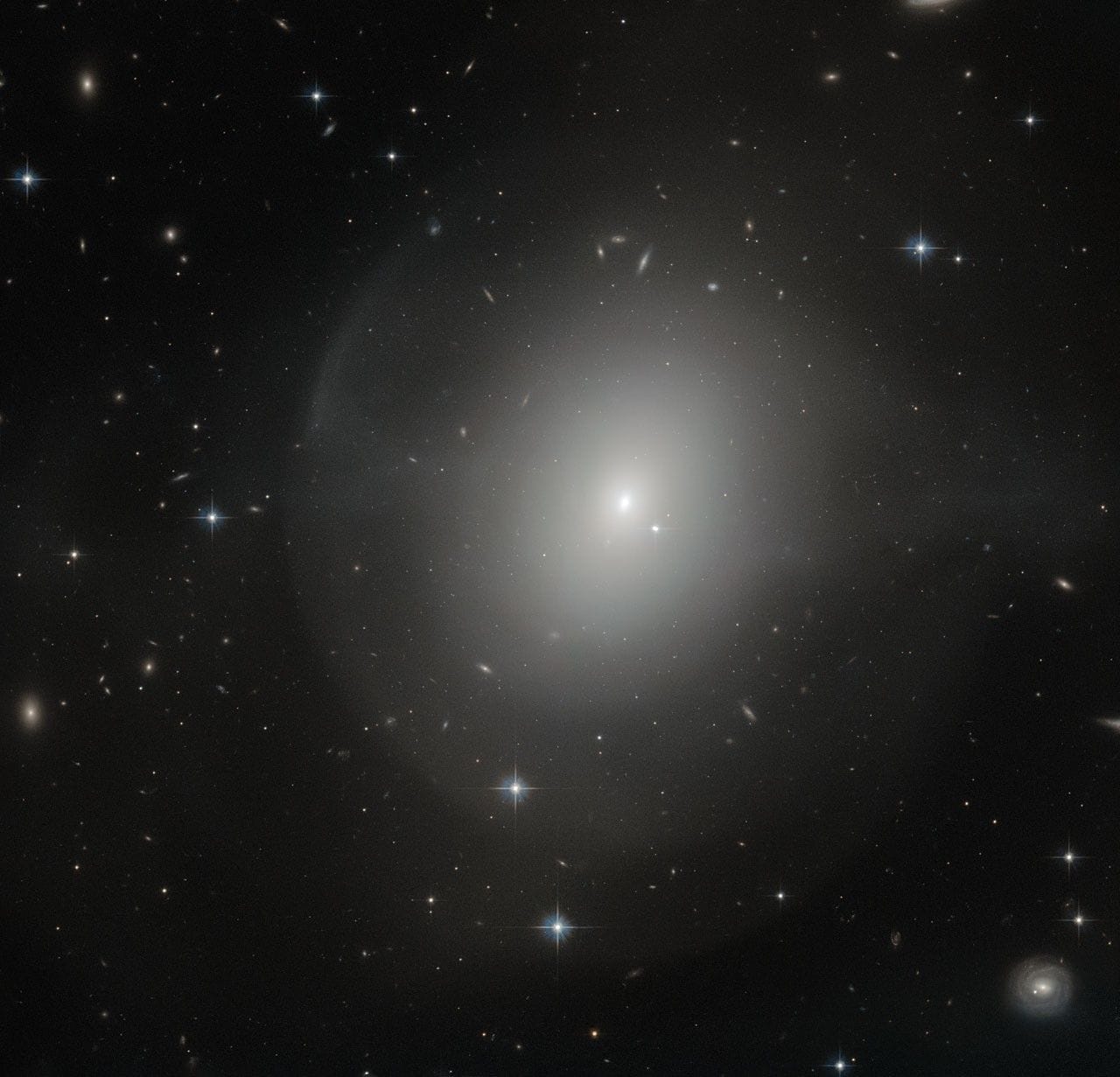
Elliptical:Galaxies that are a single oval cloud which looks smooth with little or no features. These are generally older galaxies thought to form from collisions and subsequent mergers of spiral galaxies.
Image of an elliptical galaxy known as NGC 2865, imaged by HST. It is located 100 million light-years away in the constellation of Hydra — The Sea Serpent. Credit: ESA/Hubble & NASA https://science.nasa.gov/universe/galaxies/types/
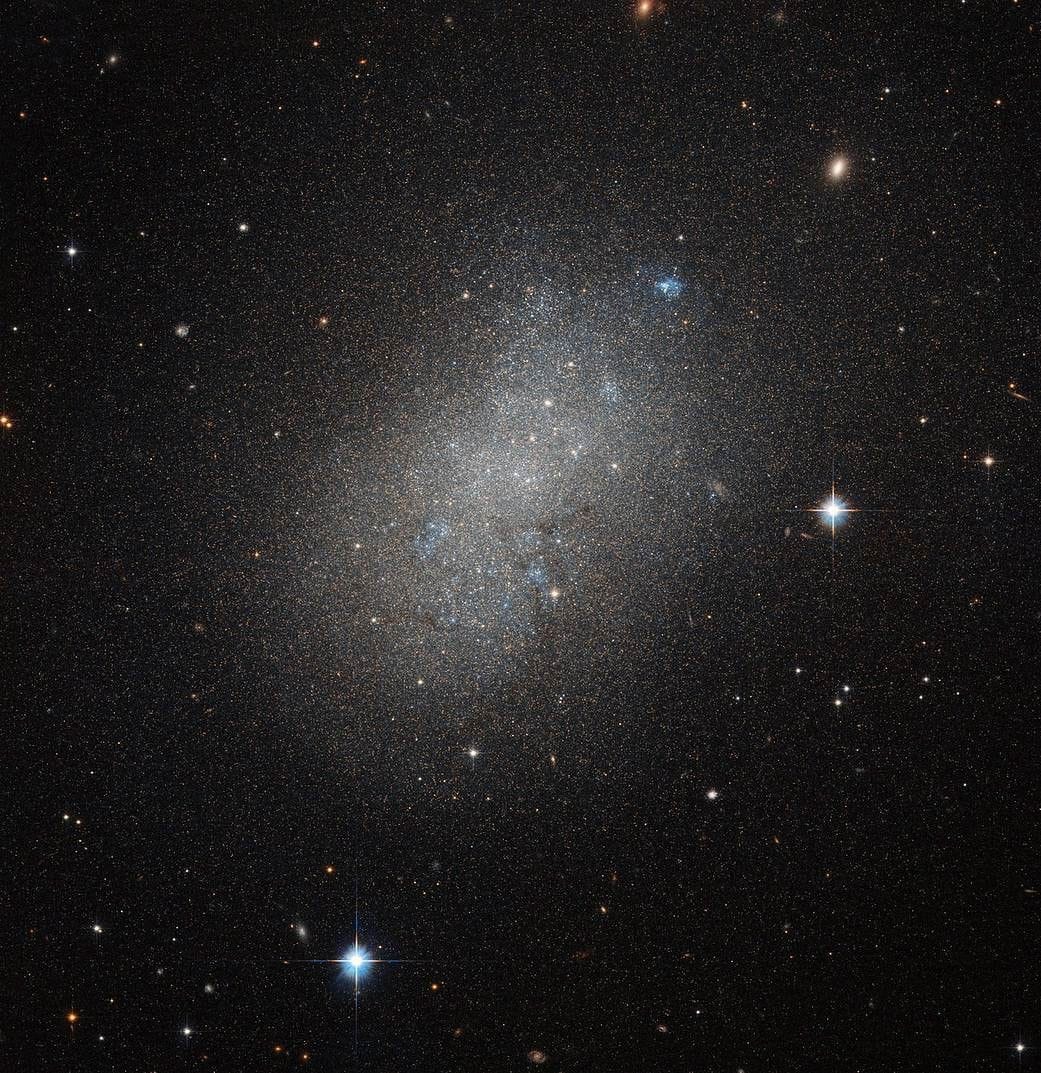
Irregular:Galaxies that hold no recognizable shape or structure with no nucleus or discernible rotation pattern, essentially chaotic blobs of stars. They cover a huge range of galaxies from tiny dwarf galaxies, to huge distorted galaxies.
Image an irregular dwarf galaxy, NGC 5286, imaged by HST. This galaxy is located just over 15 million light-years away. NGC 5264 clearly possesses an uneven shape, with knots of blue star formation. Astronomers believe this is a result of gravitational interactions between NGC 5264 and other galaxies nearby. Credit: ESA/Hubble & NASA https://science.nasa.gov/universe/galaxies/types/
Galaxies don’t change quickly, it takes hundreds of millions of years. However, scientists have made great progress in theoretical and computational galaxy modelling, as they change over these long timescales. This helps our understanding of galaxy evolution to constantly progress. By studying the shape and history of a wide variety of galaxies, we are also studying our future.
Our Galaxy the Milky Way
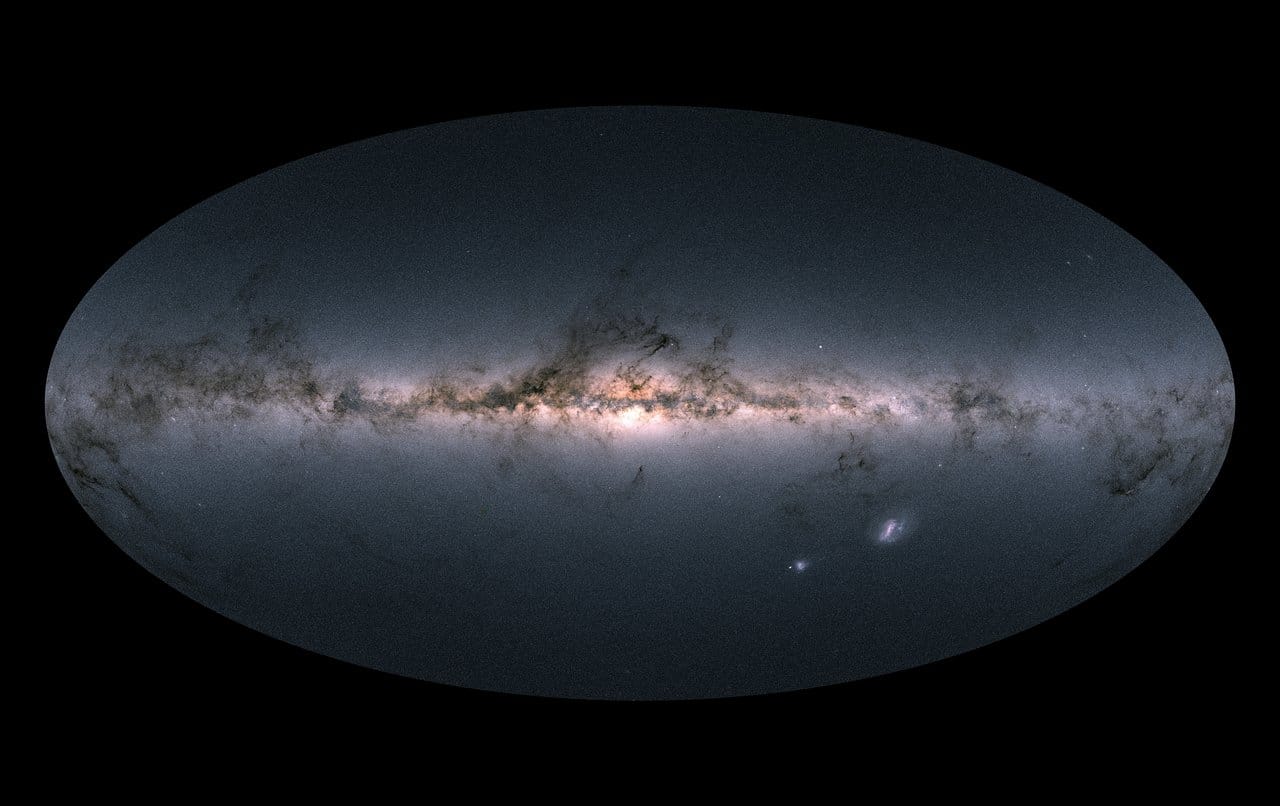
Our galaxy is a huge spiral galaxy with between 100-200 billion stars and a supermassive black hole the mass of four million Suns (known as Sagittarius A*) sits at the centre of the galaxy. Our galaxy is approximately 13.6 billion years old, meaning it started forming just a few hundred million years after the Universe began with the Big Bang. The Milky Way as a whole is hard to observe as we live inside it, similar to trying to understand what a city looks like without flying over and taking a picture looking back down. However, in recent years the Gaia space telescope has used parallax (a method of using triangles to work out distances) to measure distances to approximately 2 billion stars (1%) of our galaxy allowing us to make the most detailed map of our galaxy and revolutionizing our understanding of it.
The Milky Way Galaxy, by the Gaia satellite, operated by the European Space Agency (ESA). This satellite surveys the sky from Earth orbit to create the largest, most precise, three-dimensional map of our Galaxy. This map uses high-precision measurements of 1.7 billion stars, including positions, distance and proper motions of more than one billion stars in our galaxy. Credit: ESA/Gaia/DPAC, CC BY-SA 3.0 IGO https://www.eso.org/public/images/eso1908e/
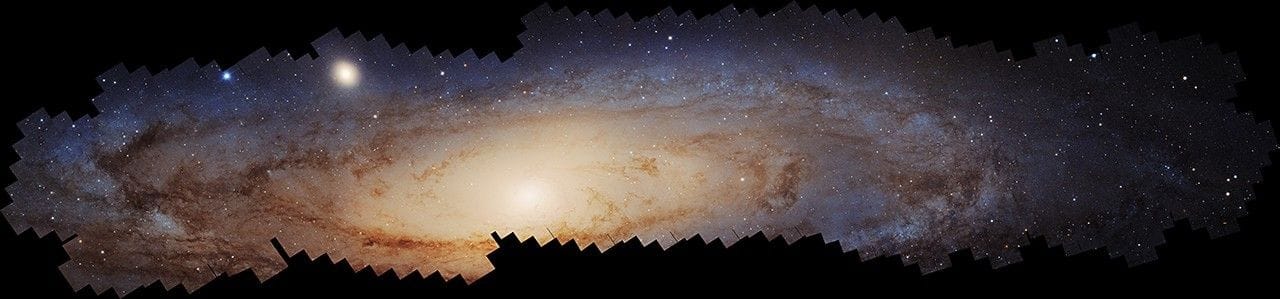
Our Milky Way and our nearest neighbour the Andromeda Galaxy are both giant spiral galaxies. They are hurtling towards each other at 120 kilometres per second. It is predicted that in approximately 4 billion years, the two will collide. But since galaxies are mostly empty space, the stars, gas, dust, and dark matter are actually only a small part of them. The two huge galaxies will pass through each other. However, the galaxy’s gravity will stretch and pull each other, until they merge into one massive elliptical galaxy.
Image Andromeda Galaxy (Messier 31) our nearest big spiral neighbour. This image, released in January 2025, took HST over 10 years to make, using more than 600 Hubble images. Andromeda is so close that its angular size is six times the apparent diameter of the full Moon, making observing it with a telescope like Hubble challenging. In fact, andromeda is so large it can be seen by the naked eye in a dark sky location. This image captures the glow of 200 million stars, still only a fraction of Andromeda’s population. Credit: NASA, ESA, Benjamin F. Williams (UWashington), Zhuo Chen (UWashington), L. Clifton Johnson (Northwestern); Image Processing: Joseph DePasquale (STScI) https://science.nasa.gov/mission/hubble/science/explore-the-night-sky/hubble-messier-catalog/messier-31/
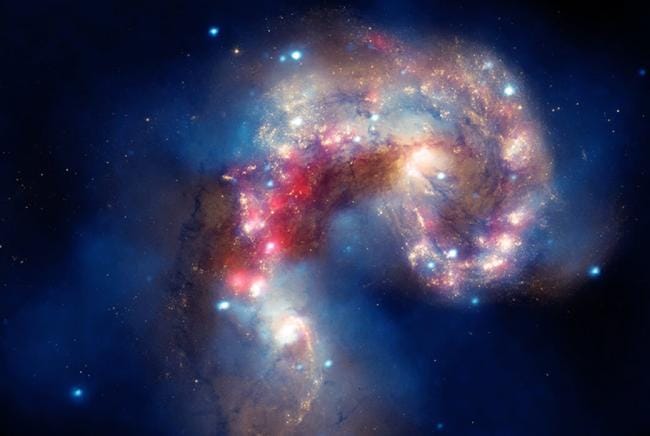
Astrophysicists predict that our Sun will be pushed to the outskirts of the new galaxy, which will be known as Milkomeda. We already see such mergers taking place in the Universe. The Antennae Galaxies are two spiral galaxies that have collided, resulting in increased star formation. It is believed that these galaxies will also eventually coalesce into a large elliptical galaxy.
The Antennae Galaxies have been colliding and merging into one single huge galaxy for around 100 million years. This image combines X-ray, infrared, and visible light to allow us to see how the collision is causing new stars and distorting the gas in the galaxies into strange shapes. Credit: X-ray: NASA/CXC/SAO/J.DePasquale; IR: NASA/JPL-Caltech; Optical: NASA/STScI https://www.cfa.harvard.edu/big-questions/why-do-galaxies-differ-so-much-size-shape-composition-and-activity
Here are some of our favourite galaxy’s
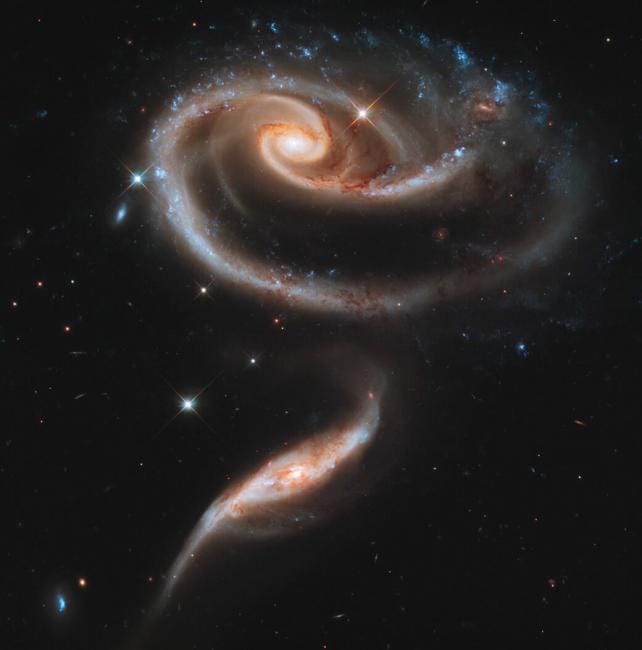
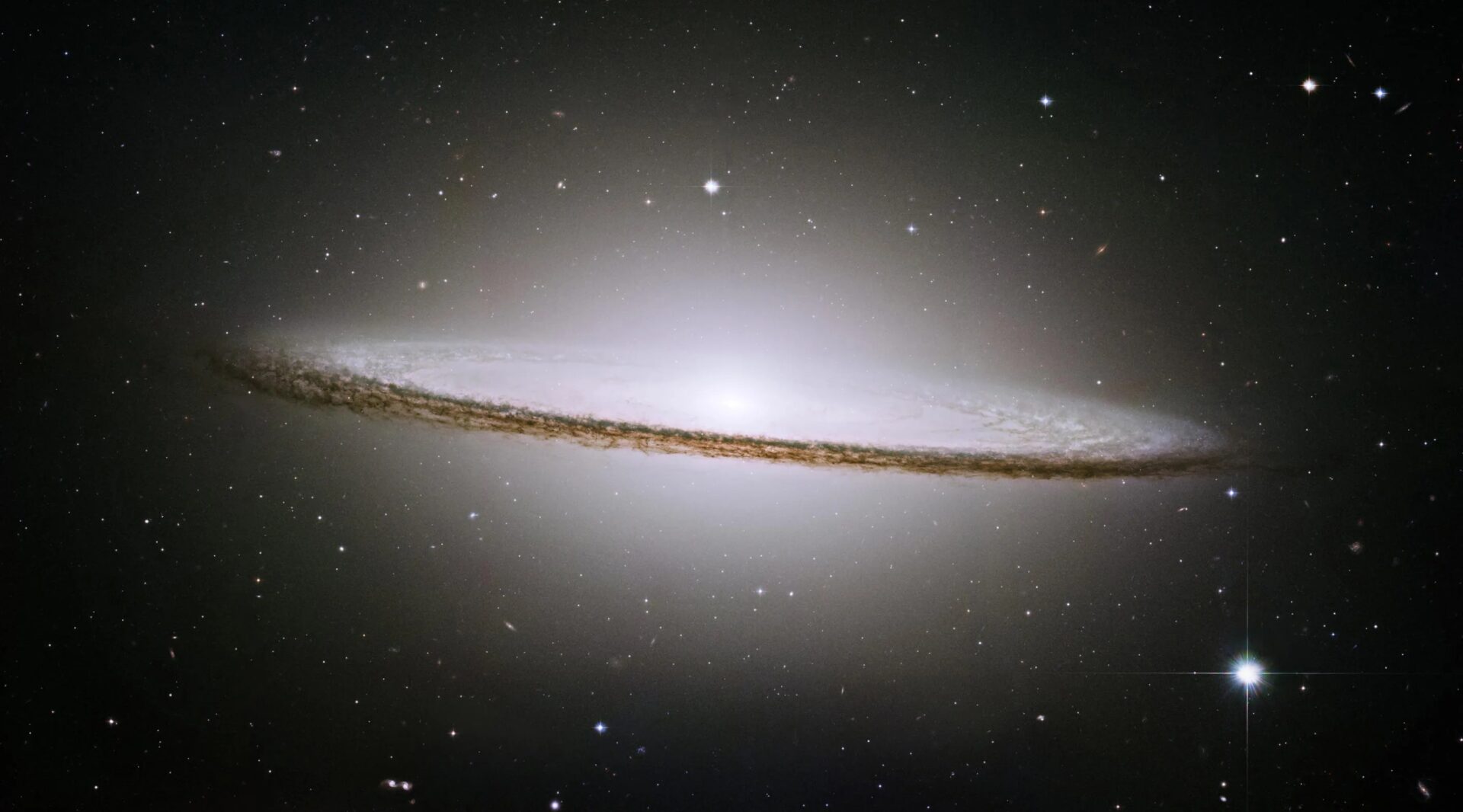
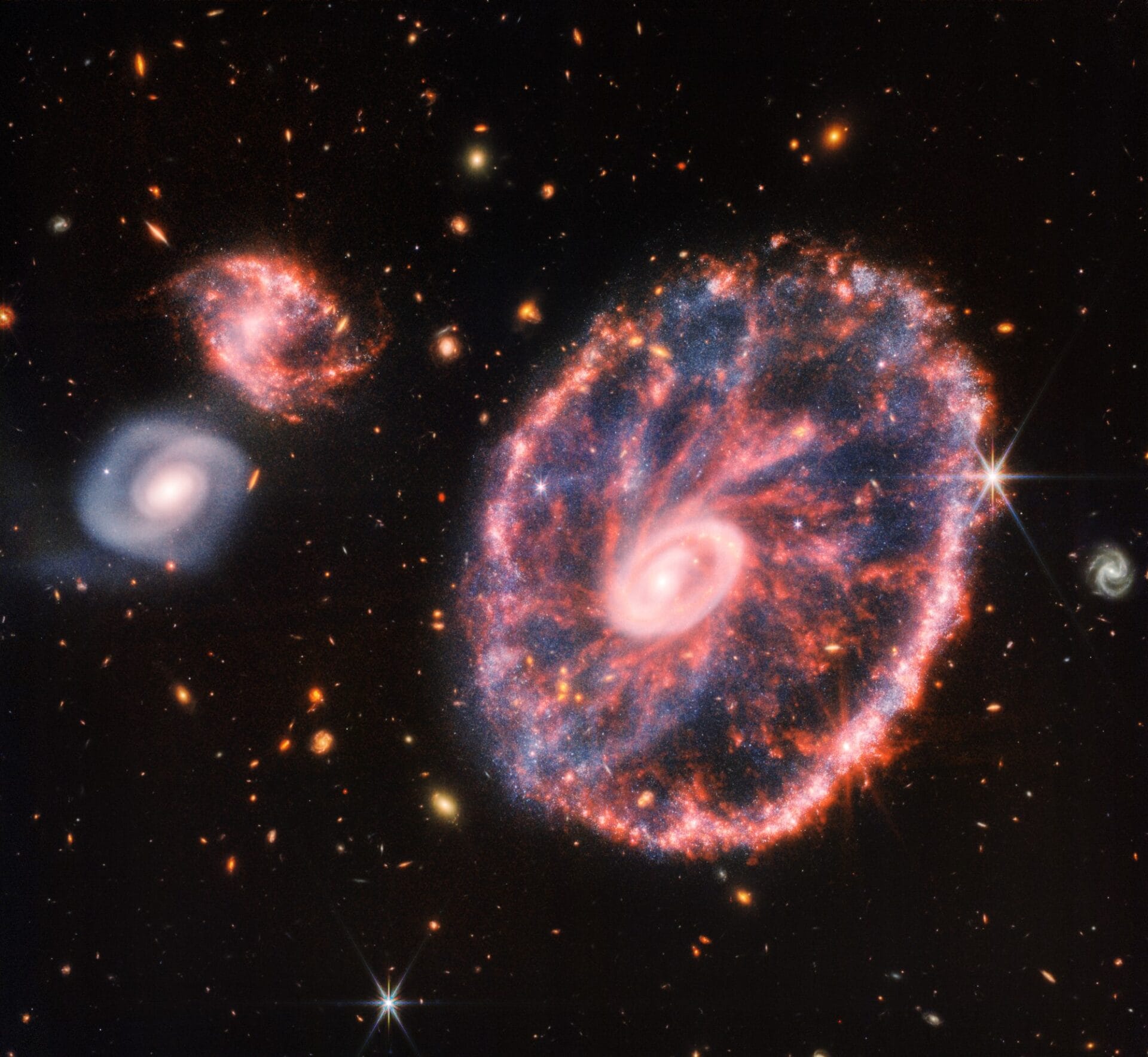
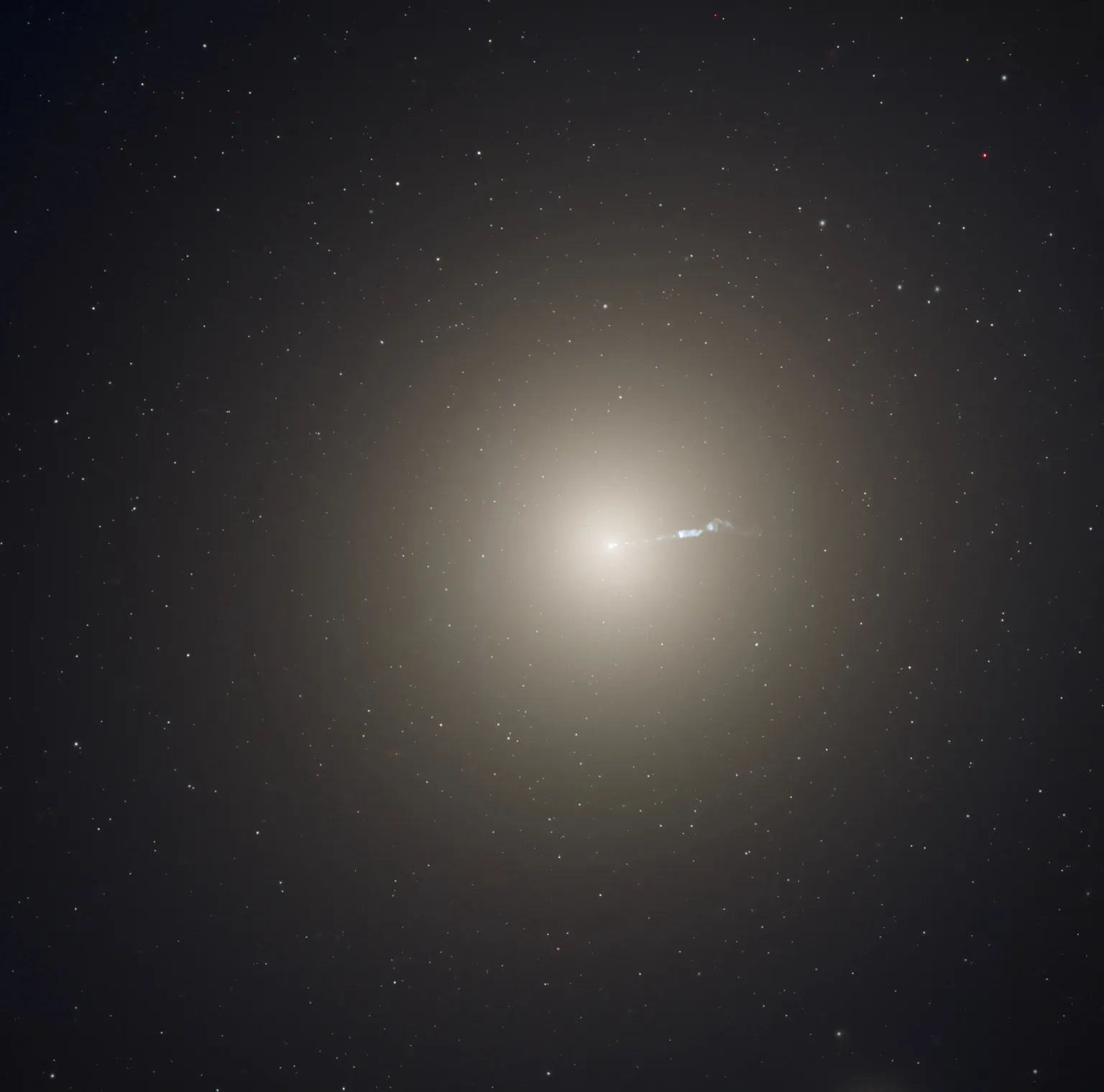
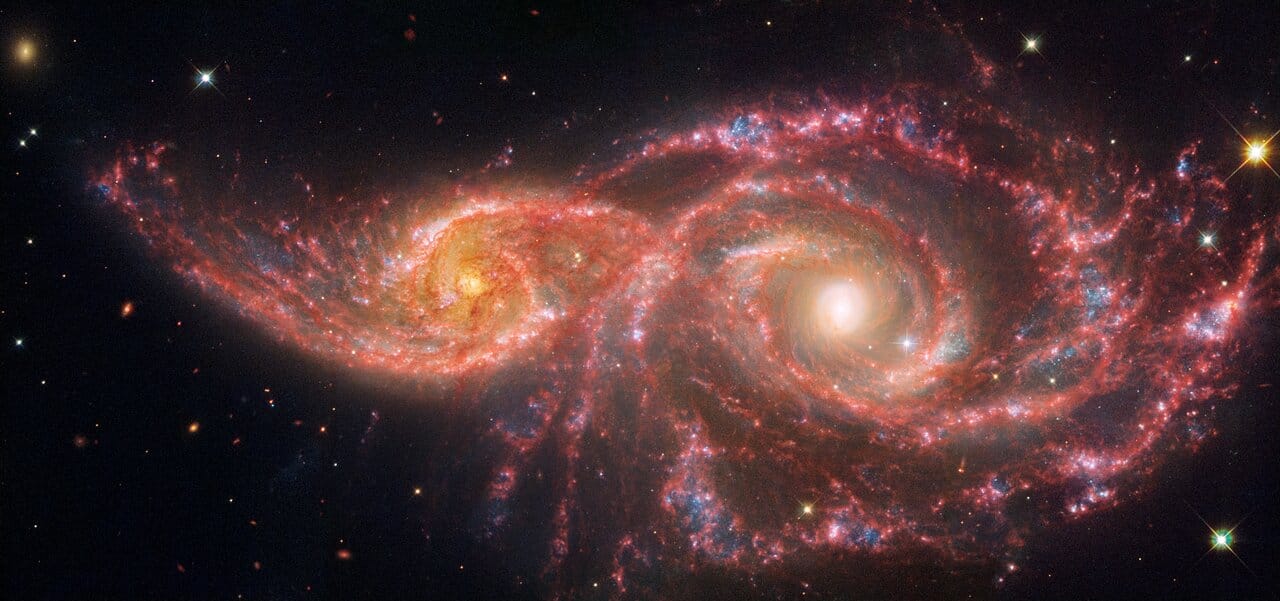
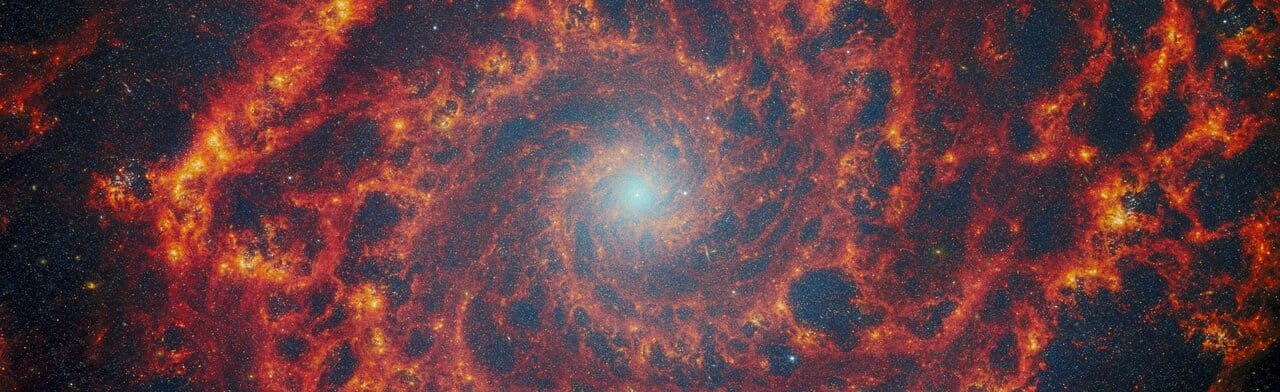
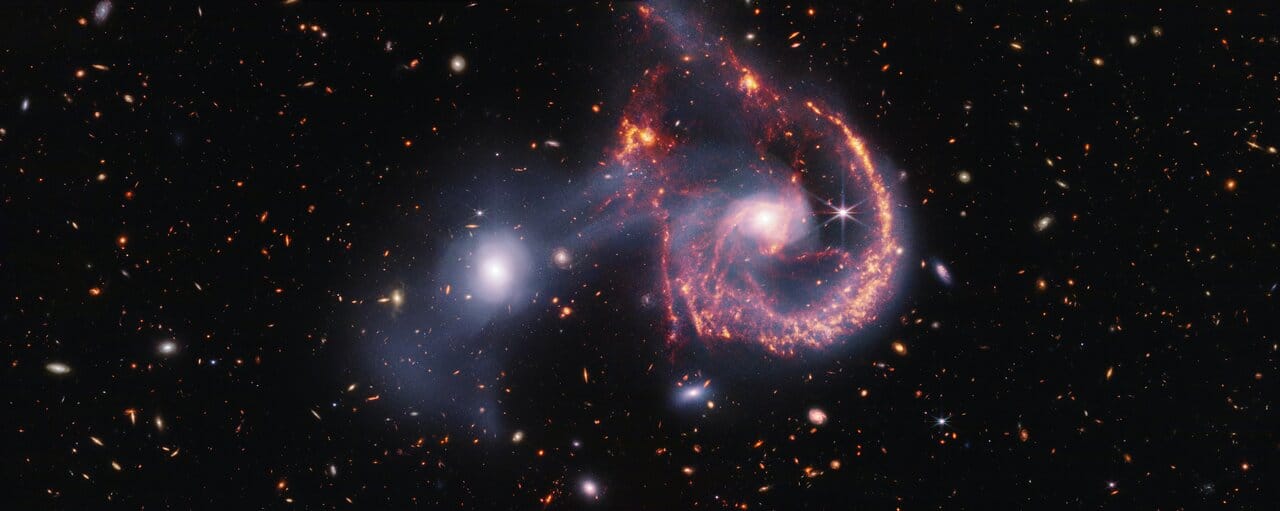
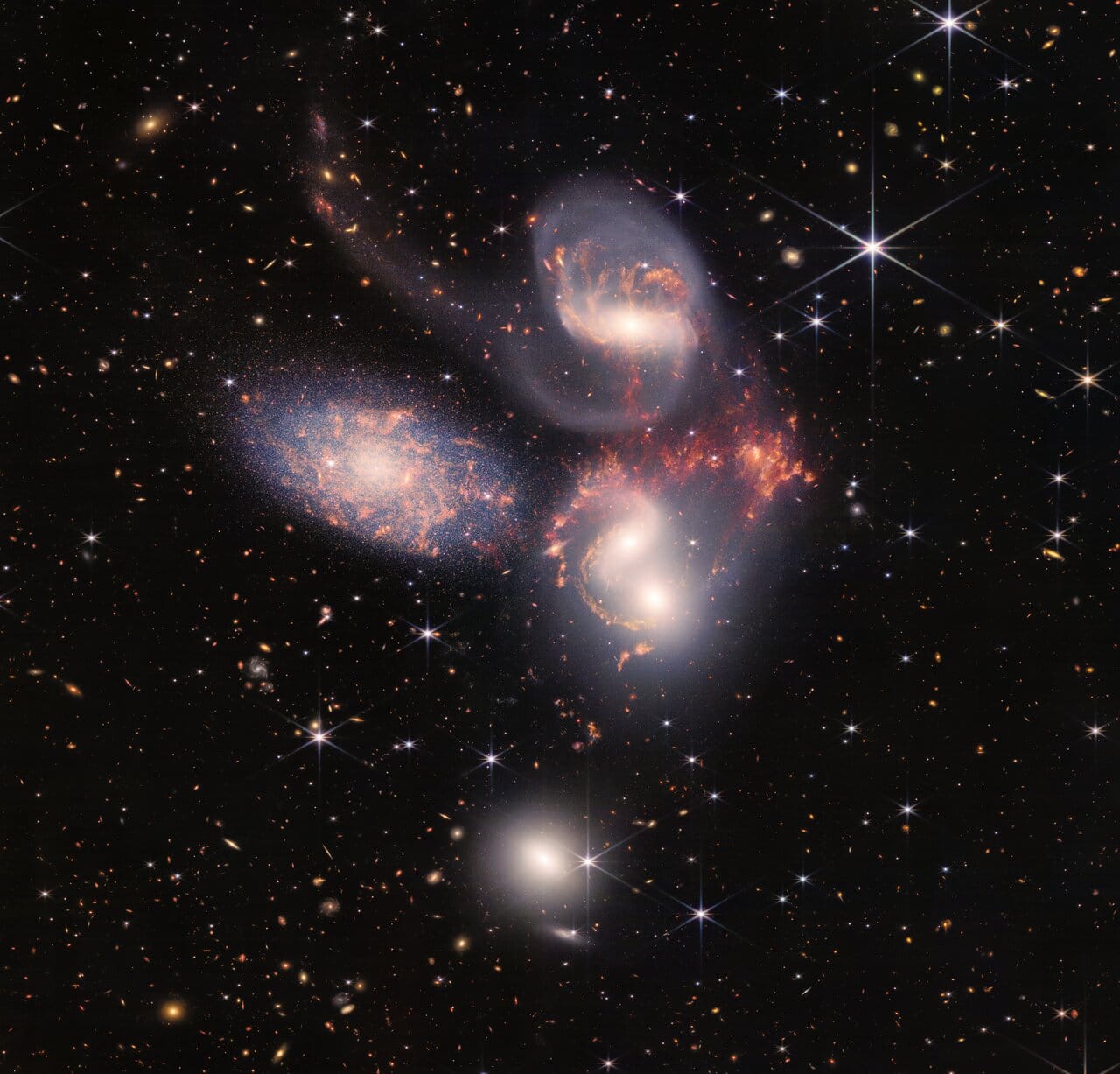
Arp 273 is a pair of spiral galaxies, which scientists think probably collided in the past. Arp stands for the Atlas of Peculiar Galaxies. The sweeping shapes we see today are the result of the gravitational interaction. It also caused a burst of star formation, which is evident as blue splotches in the spiral arms of both galaxies. Credit: NASA https://www.cfa.harvard.edu/big-questions/why-do-galaxies-differ-so-much-size-shape-composition-and-activityThe aptly named Sombrero Galaxy, M104, is an edge-on spiral galaxy. The centre of M104 is thought to be home to a massive black hole. A notable feature of this galaxy is the thick dust lanes, which are the site of star formation. The Sombrero Galaxy has an apparent magnitude of 8, meaning it can be easily spotted through small telescopes. May is the best time to try to observe M104. It is about 28 million light-years away, in the constellation Virgo. Its mass is about 800 billion suns, making it one of the most massive objects in the Virgo galaxy cluster. Credit: NASA and The Hubble Heritage Team (STScI/AURA) https://science.nasa.gov/mission/hubble/science/explore-the-night-sky/hubble-messier-catalog/messier-104/ The Cartwheel and its companion galaxies imaged by the James Webb Telescope (JWST). It is a composite image using Near-Infrared Camera (NIRCam) and Mid-Infrared Instrument (MIRI). These wavelengths of light reveal details that are difficult to see. The Cartwheel galaxy was created by a high-speed collision between a large spiral galaxy and a smaller galaxy not visible in this image, which occurred about 400 million years ago. The ring contains at least several billion new stars created by the collision. Credit: NASA, ESA, CSA, STScI, Webb ERO Production Team https://science.nasa.gov/missions/webb/webb-captures-stellar-gymnastics-in-the-cartwheel-galaxy/ The enormous elliptical galaxy M87 has several trillion stars, a supermassive black hole and approximately 15,000 globular star clusters. Compared to our Milky Way galaxy which has only a few hundred billion stars and about 150 globular clusters. It is the dominant galaxy of the neighboring Virgo cluster, which contains around 2,000 galaxies. Credit: NASA, ESA and the Hubble Heritage Team (STScI/AURA); Acknowledgment: P. Cote (Herzberg Institute of Astrophysics) and E. Baltz (Stanford University) https://science.nasa.gov/mission/hubble/science/explore-the-night-sky/hubble-messier-catalog/messier-87/Galaxies IC 2163 and NGC 2207. This is a composite image of mid-infrared from JWST, and visible and ultraviolet light from Hubble. The pair grazed one another millions of years ago. This interaction has increased both galaxies’ star formation rates. Seven supernovae have been observed in these galaxies. These stellar explosions have cleared space in the spiral arms, rearranging gas and dust, and created an environment for many new stars to form. These occurred in the bluest regions. Credit: NASA, ESA, CSA, STScI https://esawebb.org/images/weic2426a/The Phantom Galaxy (M74) imaged with JWST’s MIRI (Mid-InfraRed Instrument) and NIRCam (Near-InfraRed Camera). M74 is a face-on spiral galaxy, about 32 million light-years away from Earth in the constellation Pisces. The dark red regions trace the filamentary warm dust through the galaxy. Credit: ESA/Webb, NASA & CSA, A. Adamo (Stockholm University) and the FEAST JWST team https://esawebb.org/images/potm2410a/Arp 107 galaxies imaged with JWST’s NIRCam + MIRI. This shows the star formation taking place in these two galaxies resulting from them colliding hundreds of million years ago. The near-infrared data, in white, shows older stars, shining brightly in these galaxies. The MIRI data, in orange and red, show the young stars and star-forming regions. Credit: NASA, ESA, CSA, STScI https://esawebb.org/images/weic2423a/An enormous mosaic of Stephan’s Quintet is the largest mosaic image from JWST’s NIRCam and MIRI, covering about one-fifth of the Moon’s diameter and using almost 1,000 separate image files. The image shows sparkling clusters of millions of young stars and starburst regions. The gravitational interactions between the galaxies is pulling sweeping tails of gas, dust and stars. Most dramatically, there are huge shock waves caused by the galaxy NGC 7318B, smashing through the cluster. Credit: NASA, ESA, CSA, and STScI https://esawebb.org/images/weic2208a/
Summary
There are trillions of galaxies in the Universe and no two are then same. There is a huge and beautiful range of shapes, sizes and colours of galaxies. However, galaxies can be grouped into three main categorises; elliptical, spiral and irregular. We can learn a lot from studying what galaxies look like today as thier current appearance reflects their formation history.
This post was written by Dr Heather Campbell for Mission Astro.
If you have any questions about this post or our services, please contact us on missionastro.org.
To provide the best experiences, we use technologies like cookies to store and/or access device information. Consenting to these technologies will allow us to process data such as browsing behavior or unique IDs on this site. Not consenting or withdrawing consent, may adversely affect certain features and functions.
Functional
Always active
The technical storage or access is strictly necessary for the legitimate purpose of enabling the use of a specific service explicitly requested by the subscriber or user, or for the sole purpose of carrying out the transmission of a communication over an electronic communications network.
Preferences
The technical storage or access is necessary for the legitimate purpose of storing preferences that are not requested by the subscriber or user.
Statistics
The technical storage or access that is used exclusively for statistical purposes.The technical storage or access that is used exclusively for anonymous statistical purposes. Without a subpoena, voluntary compliance on the part of your Internet Service Provider, or additional records from a third party, information stored or retrieved for this purpose alone cannot usually be used to identify you.
Marketing
The technical storage or access is required to create user profiles to send advertising, or to track the user on a website or across several websites for similar marketing purposes.