THE MISSION ASTRO BLOG
our space on the internet
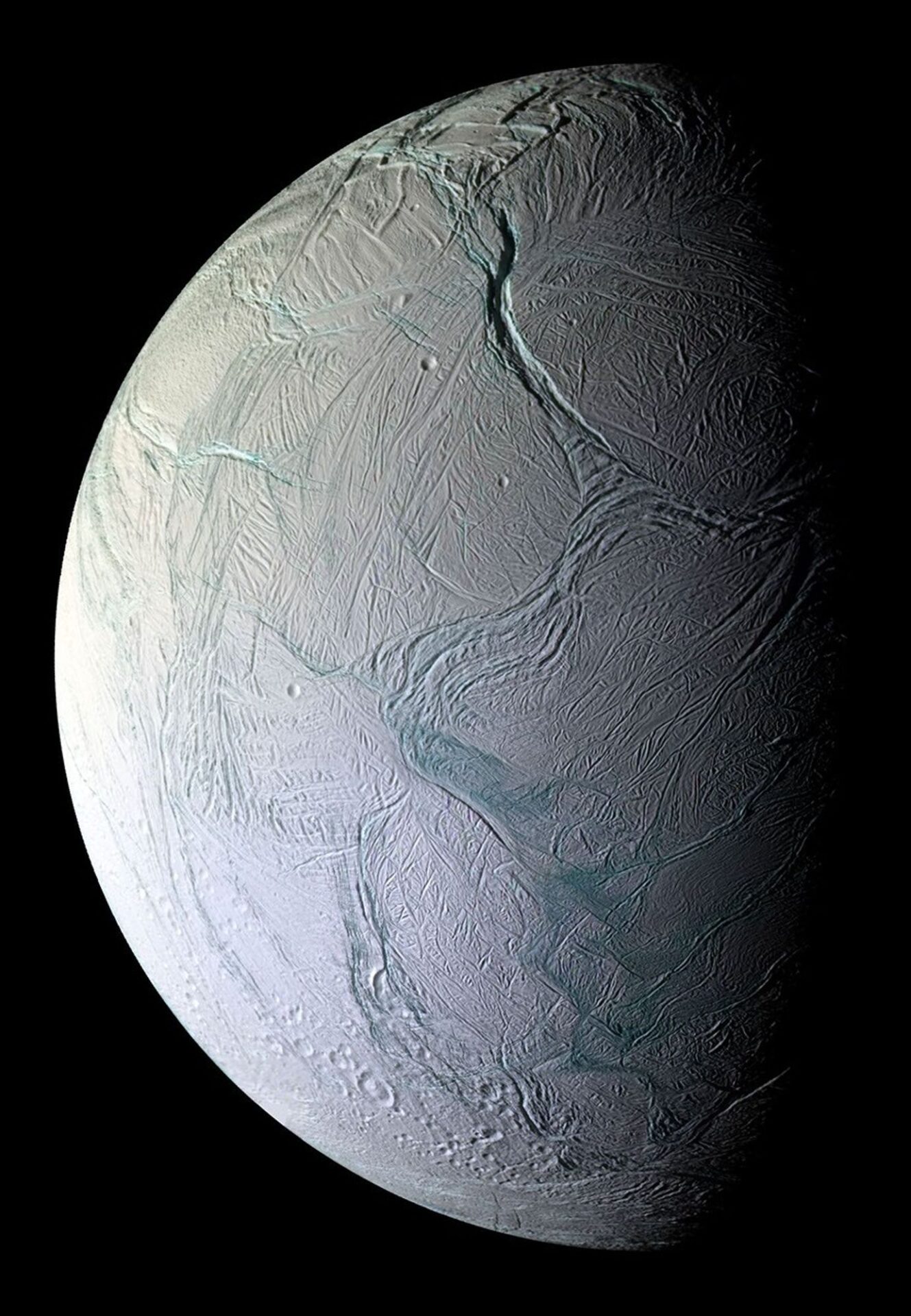
The Top 10 coolest facts about Enceladus
Enceladus is one of Saturn’s moons. It is a relatively small, icy world which has geyser-like jets that spray water vapor and ice particles out into space. Dr Heather Campbell tells us 10 fascinating facts about this space snow moon!
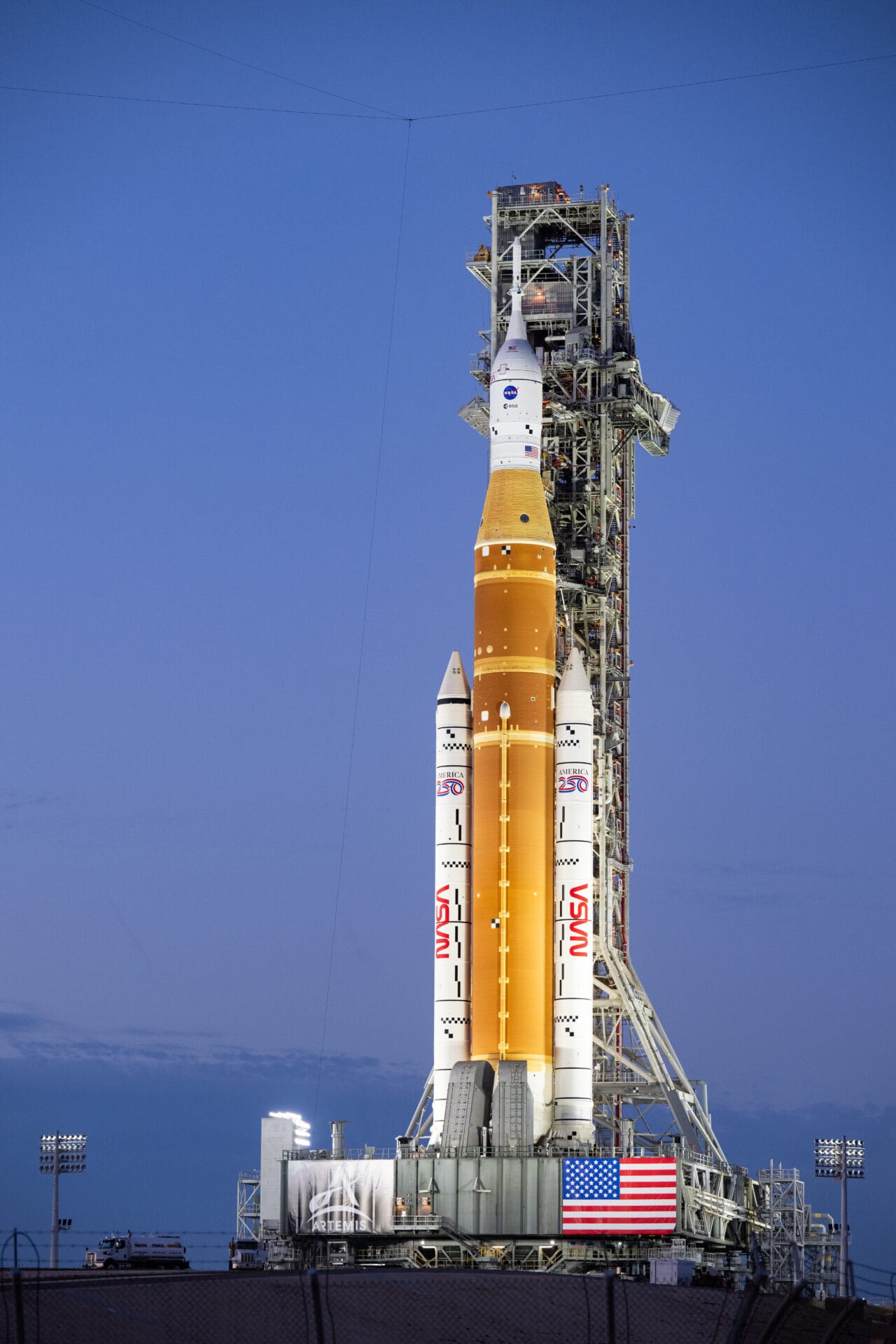
Artemis II: Return to the Moon
Artemis II happened in April 2026 and it reshaped history. Four astronauts, one capsule, eight billion humans watching … here’s our Academic Manager Heather Campbell’s take on NASA’s latest Moon adventure.
The Tiny Rule That Shapes the Universe
There’s a rule in physics that’s so small yet powerful enough to hold up entire stars. Laura Ash explains how subatomic particle personal space plays a role in stellar death.
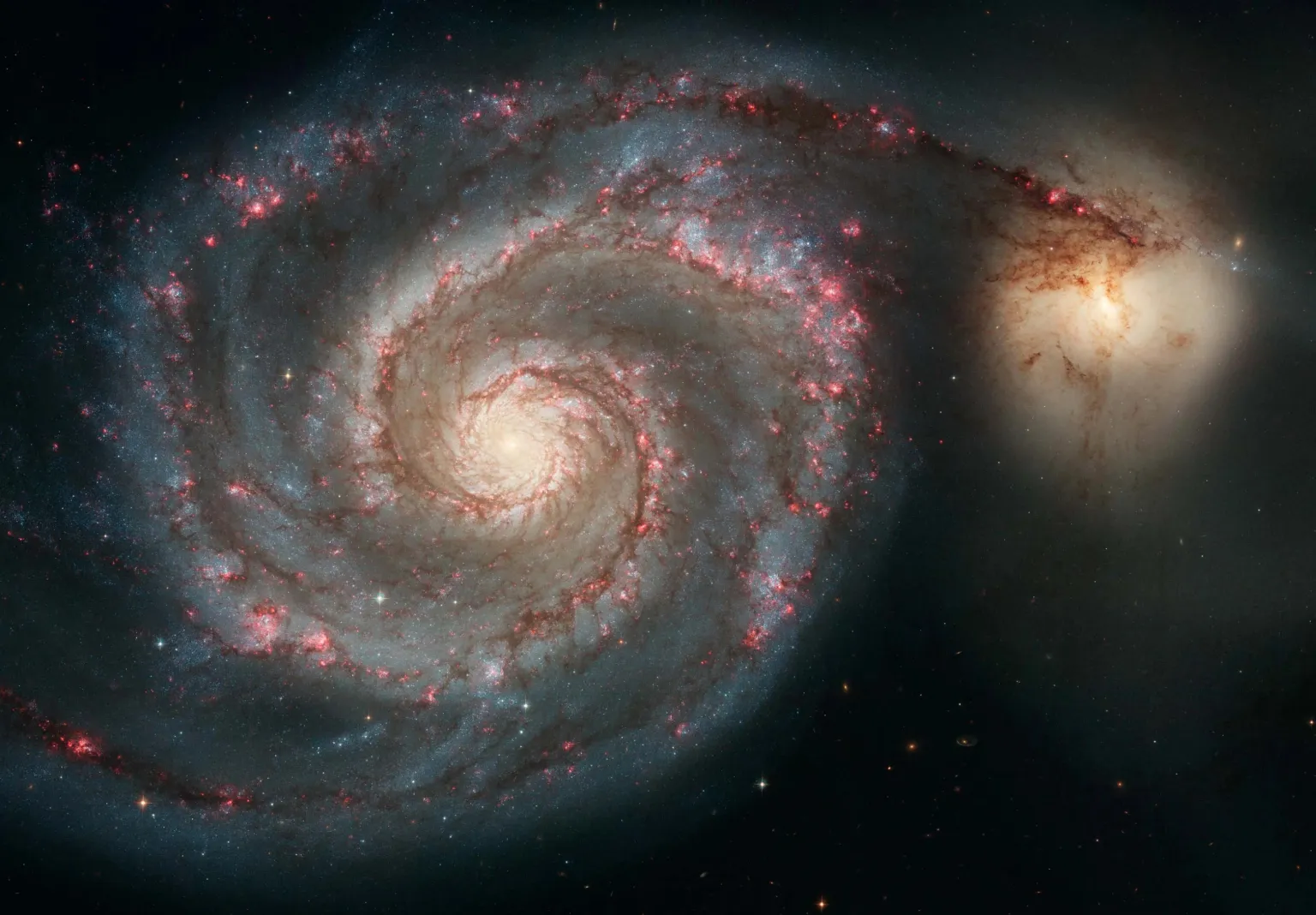
Are all Galaxies the same?
Are all Galaxies the same? Are they all spiral like the Milky Way? Take a tour of a selection beautiful galaxies with Dr Heather Campbell, showcasing some stunning photos taken by world-class telescopes.
Geometry on a Cosmic Scale: The Surprising Flatness of Space
If you could draw a triangle across the universe, what would its angles add up to? Discover what scientists mean by flat geometry and why space behaves so differently from what we expected.
What is Artemis II?
We’re going back to the Moon! Here’s what you need to know about the Artemis II Mission before it launches!
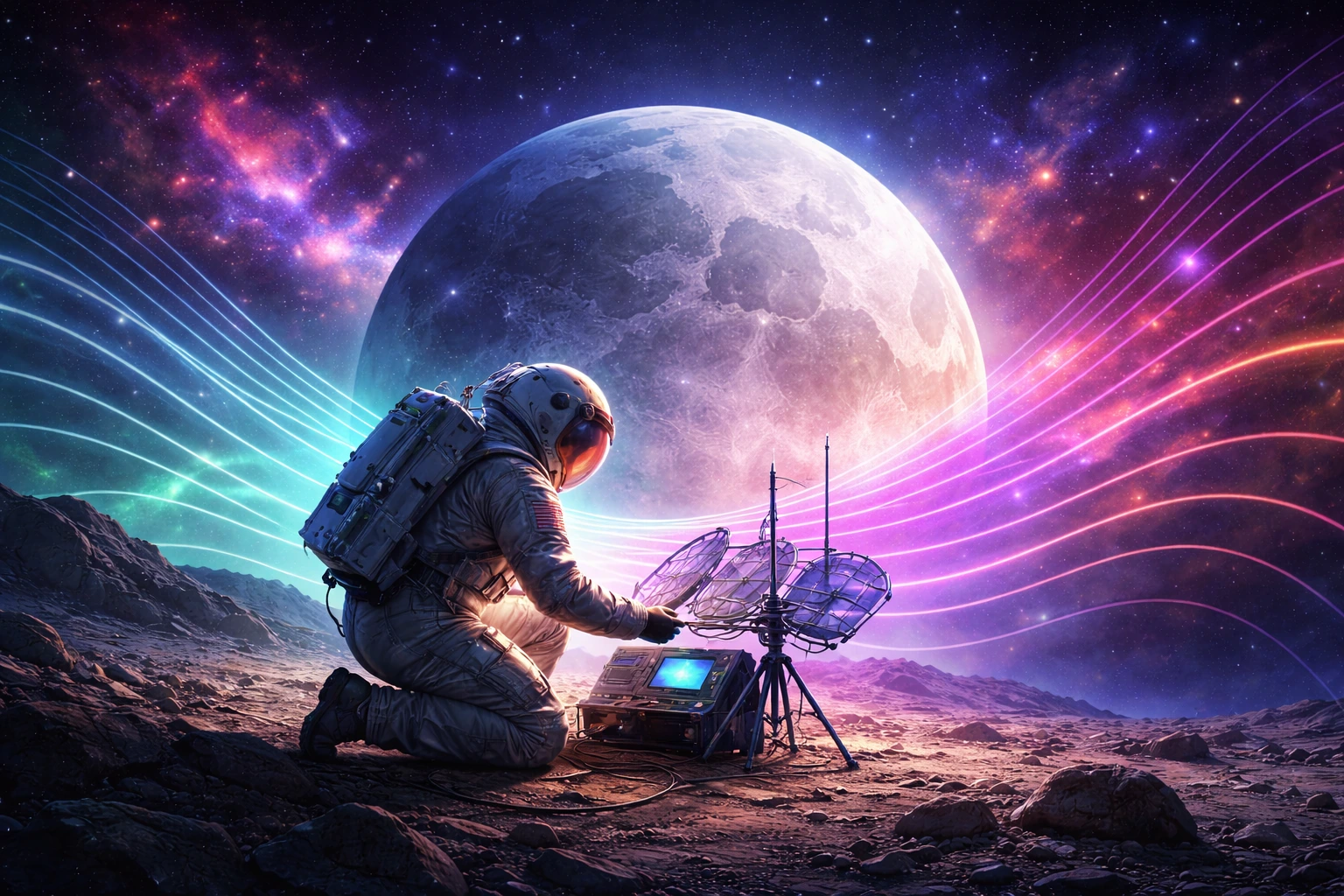
Why the Far Side of the Moon Looks So Different
We’re used to seeing the Moon’s familiar face, but there’s an entire hemisphere that remained unseen for thousands of years. This blog uncovers why the far side looks so different, how we first photographed it, and what it could reveal about the early Solar System.
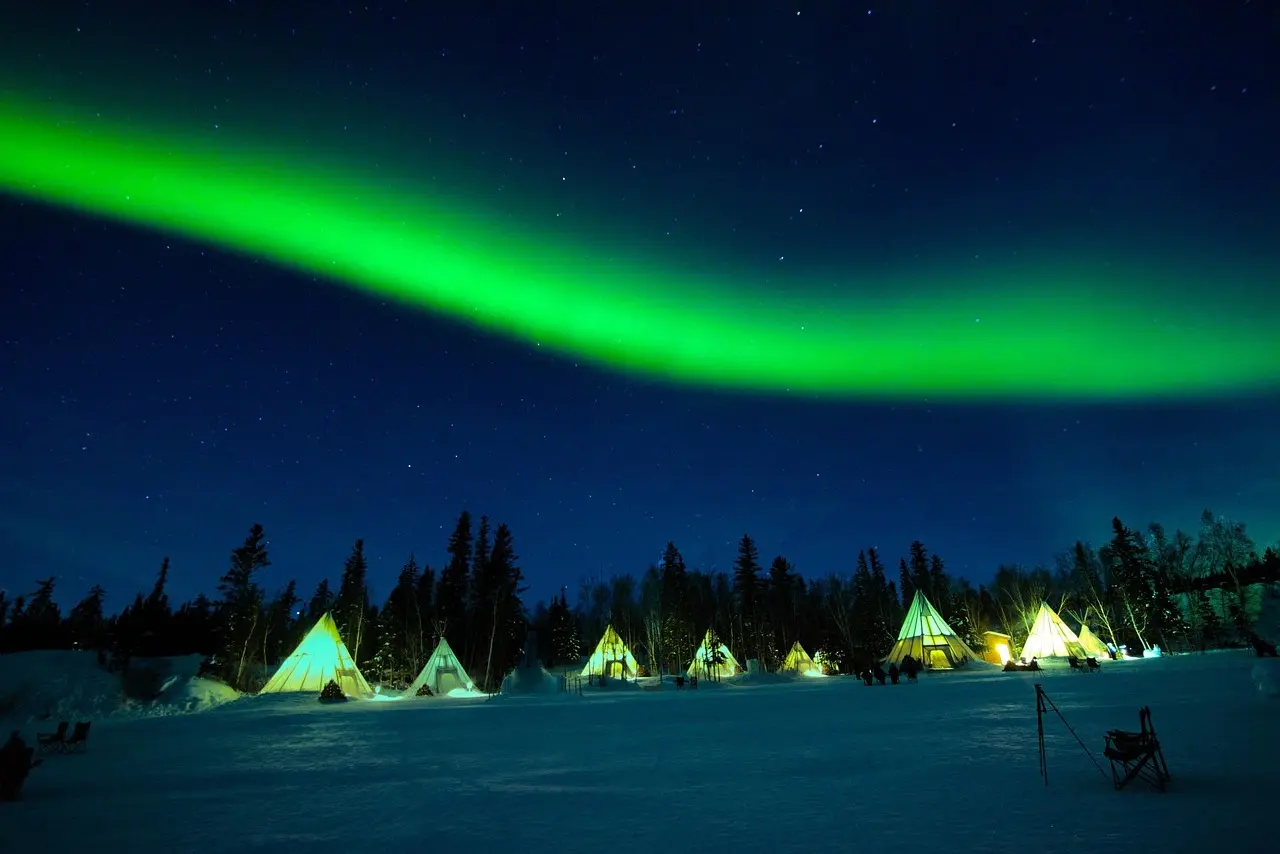
How Earth Creates the Colours of the Aurora
Explore how different gases in Earth’s atmosphere produce the greens, reds and purples of the aurora, and learn why the northern and southern lights never look exactly the same twice.
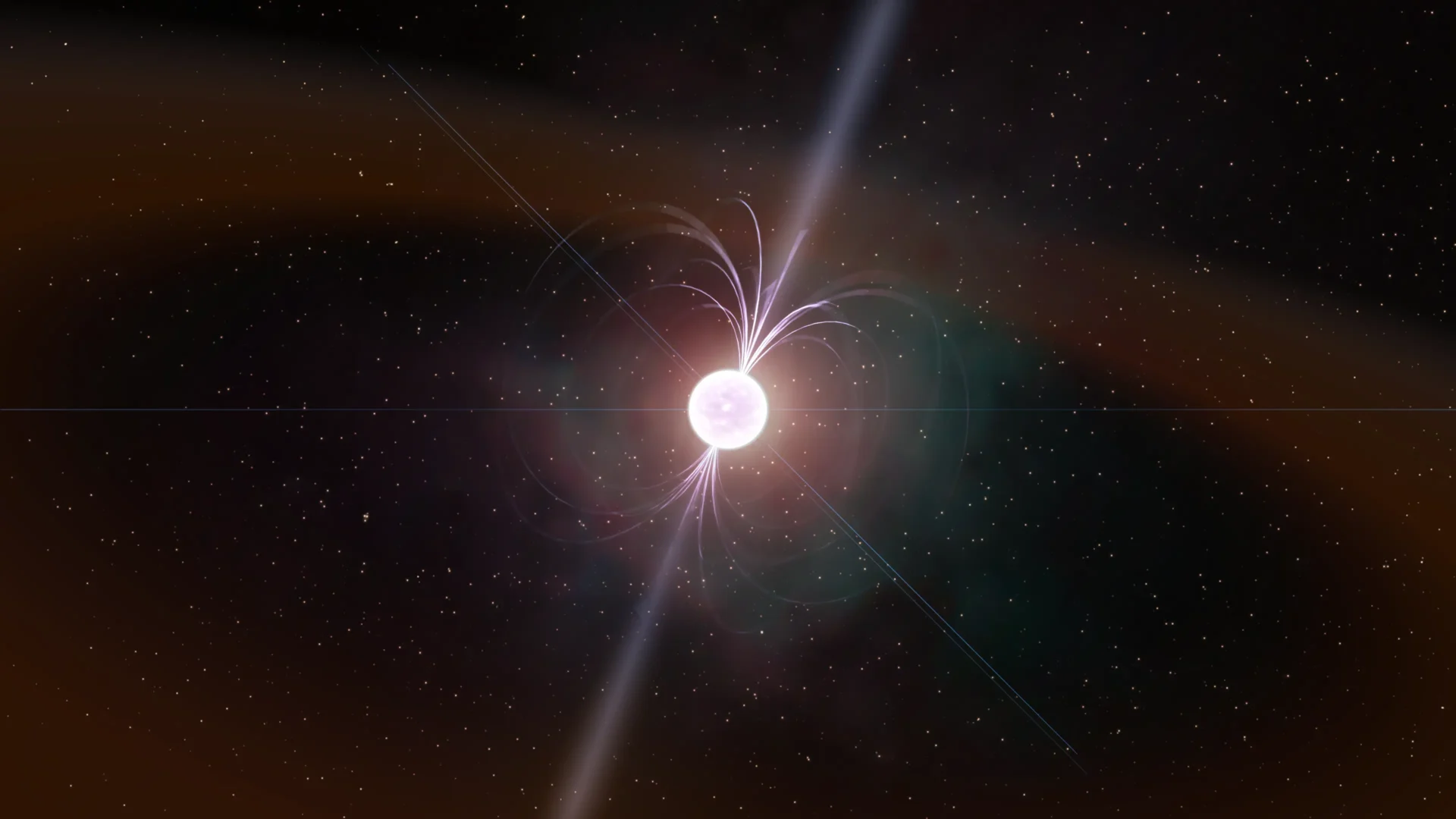
The Universe Has Its Own Clock: Pulsars and Time
Pulsars are the tiny, spinning remnants of exploded stars — yet they keep time more precisely than our most advanced atomic clocks. Born from the chaos of supernovae, their steady beams sweep across space like cosmic lighthouses, helping astronomers measure time, map gravitational waves, and study the structure of the universe.