
Nancy Grace Roman Space Telescope: Launched and ready for action
Reading Time: mins
The next generation of exoplanet and Dark Energy exploration
Highlights
- The recently launched Nancy Grace Roman Space Telescope is NASA’s latest flagship orbital observatory with a field of view more than 100 times larger than Hubble’s.
- It’s estimated that it could observe a billion galaxies over its lifetime.
- This new mission will discover thousands of planets beyond the Solar System, search for black holes, and help reveal the nature of dark energy.
- Roman also has capabilities to block starlight so it can take direct images of planets beyond our solar system (exoplanets) and planet-forming disks, something which has only been done for a relatively few exoplanets so far.
Where does the satellite get its name?
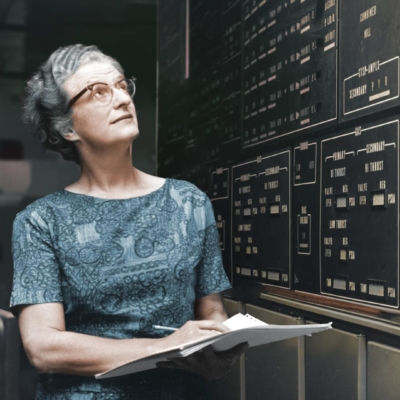
Named after NASA’s first chief astronomer Nancy Grace Roman, who died in 2018. She helped develop some of NASA’s first space telescopes and was nicknamed the ‘mother of the Hubble Space Telescope.
The Launch

NASA’s Nancy Grace Roman Space Telescope (known as ‘Roman’) successfully lifted off from NASA’s Kennedy Space Center in Florida, aboard a SpaceX Falcon Heavy rocket, at 7:26 a.m. EDT on 30th August, 2026.
At 7:57 a.m. EDT Roman separated from the Falcon Heavy’s second stage and is now flying on its own.
After launch the satellite underwent commissioning tests as it travelled to Sun-Earth Lagrange Point 2 (L2), which is about 1 million miles away.
Within the next half an hour, Roman deployed its visor-like Solar Array Sun Shield. The four outer panels swung into place to create the full six panel array. This shield protects the satellite from the sun, to keep it cool and provides power for the telescope

The large high-gain antenna has also been successfully deployed. This is for downloading the highest data volume of any NASA mission so far. It is large but light, 5.6 feet wide, but only weighs 24 pounds as it is made of very light carbon composite material, and can thus withstand the huge temperature fluctuations.

The Coronagraph Instrument, which will block starlight so that the telescope can view planets and dusty disks around nearby stars, has also been successfully activated; it was completed at 8:22 a.m. on 1st September. Next it will undergo a month-long series of calibrations and tests before commencing full science operations.
This video shows some of the highlights from Roman’s launch.
The mission overview
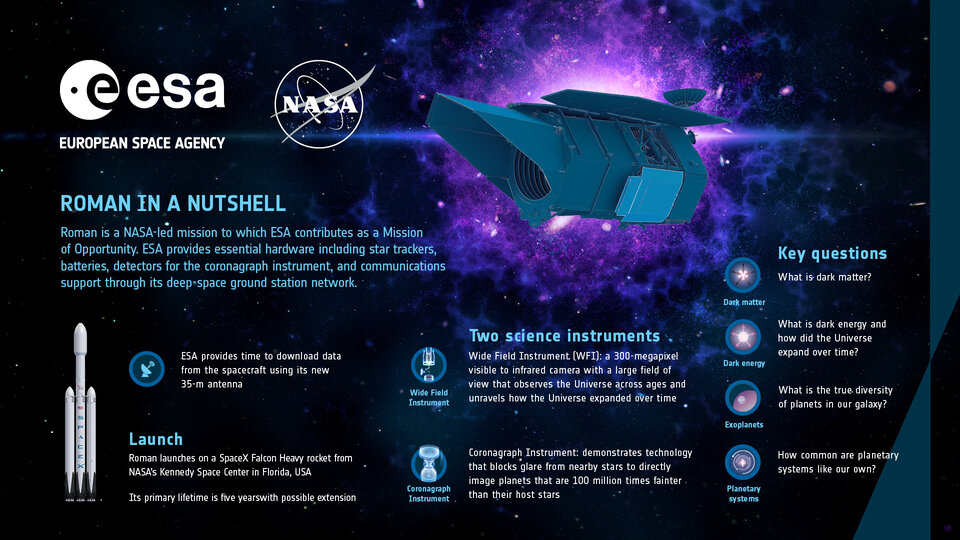
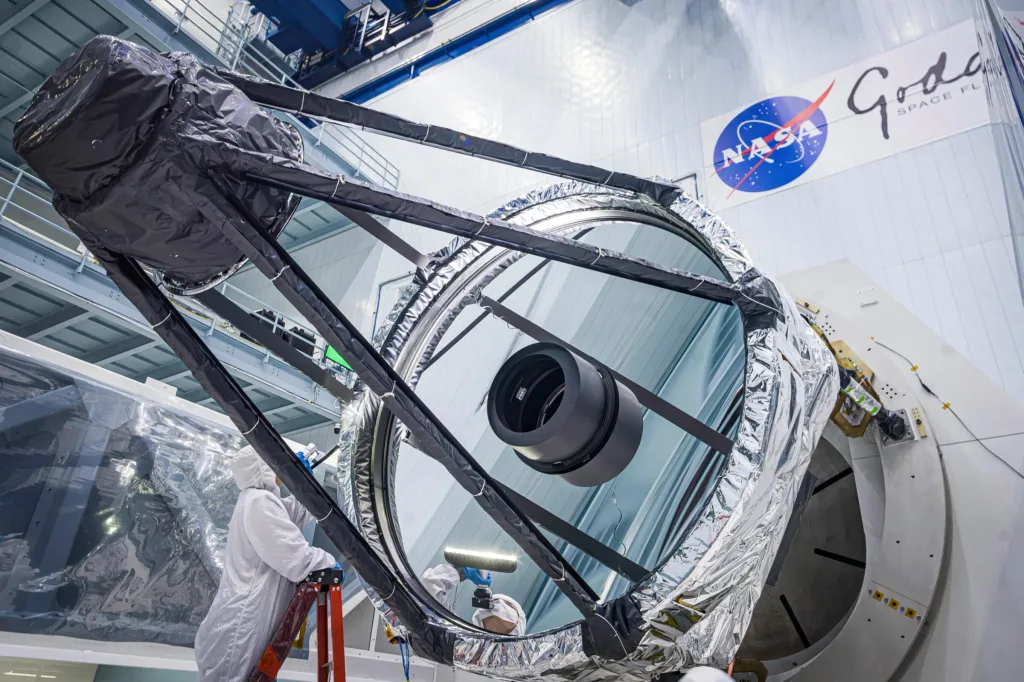
The Roman telescope’s primary mirror is 2.4 m in diameter, the same as the Hubble Space Telescope (HST). The telescope has two main instruments: the Wide Field Instrument (WFI) and a Coronagraph Instrument. The Roman’s primary mission has a 5 year lifetime, with a potential 5 year extension. Roman telescope observes the Universe in infrared. This is similar to the James Webb telescope, the main different between these two cutting edge satellites is that Roman acts as a wide-angle lens, while Webb acts as a high-powered telephoto lens.
Wide Field Instrument (WFI)
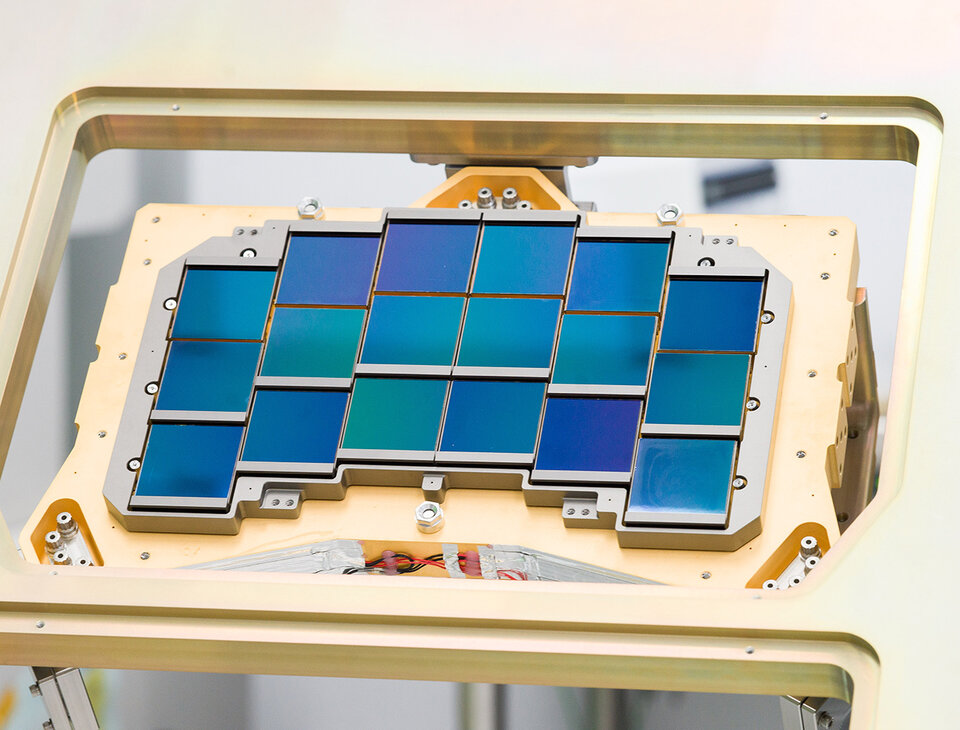
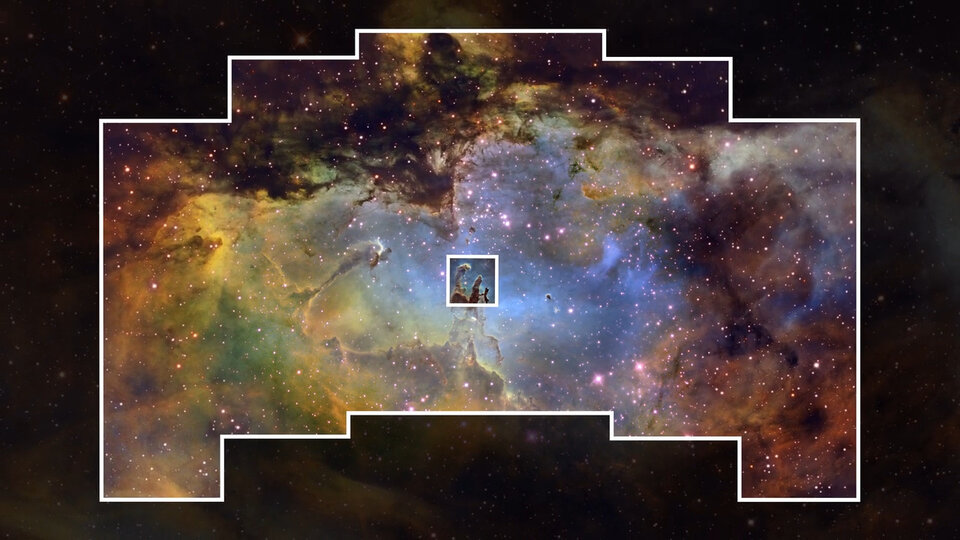
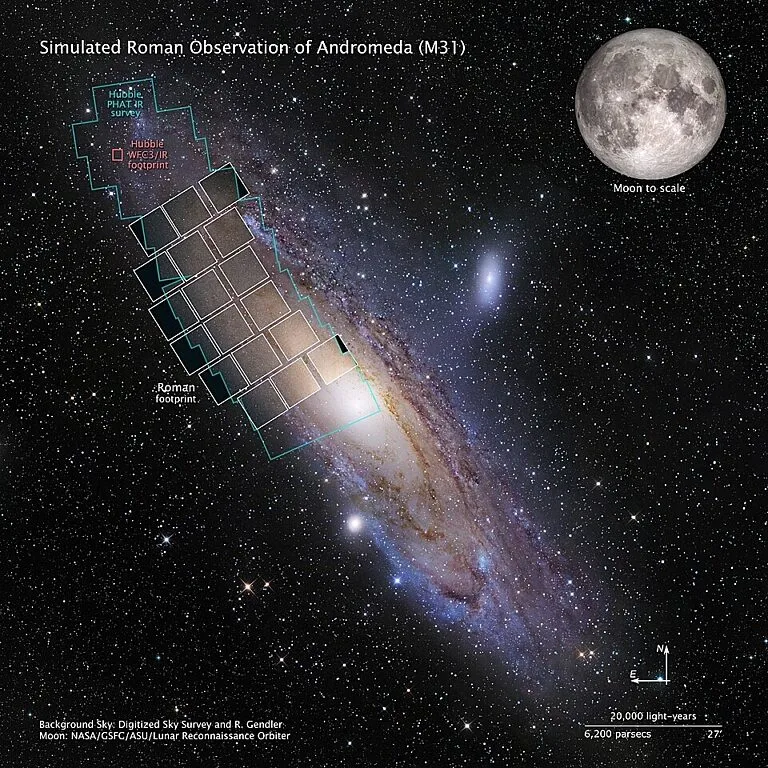
The WFI is a 300-megapixel visible and near-infrared camera, it will obtain extremely crisp images and highly sensitive spectroscopic data. The WFI has a field of view at least 100 times larger than HST, capturing more of the sky with less observing time. Over the mission, Roman’s WFI is projected to discover as many as 200,000 potential planets beyond the Solar System, survey over 1 billion galaxies, and map the Cosmos to investigate dark energy. Its infrared images will be comparable quality to the optical images from the HST. The field of view is huge, meaning 100 times more of the sky in a single shot. This allows Roman to map galaxies, as well as discover short signals from supernovae and planets around other stars. The supernovae and galaxy measurements will help scientists investigate dark energy and dark matter. These are the mysterious phenomena which shape our Universe on its largest scales.
Coronagraph Instrument
The Coronagraph Instrument is a high-performance technology demonstrator, which is a system of optics, masks, self-flexing mirrors, and sensors that block out the star’s light. Thus, it will enable direct images and spectroscopy of faint exoplanets around those stars, allowing astronomers to characterize their atmospheres. It will broaden our census of exoplanets to include smaller, more Earth-like worlds, which have been hard for previous surveys to detect. We will discover if our own solar system is fairly common or more unusual in our Universe. As well as, advancing the search for Earth-like planets which could support life as we know it. It is predicted to be capable of directly imaging Jupiter-sized exoplanets in orbits similar to Jupiter’s around their host stars.
################ Quote from Bethan ############
Science mission
Exoplanets
Roman use it WFI to search for exoplanets, including planetary systems like our own, using two main techniques. Roman will peer deep into the heart of our own Milky Way Galaxy, using its deep and wide field of view. This will enable it to track the intensity of light coming from millions of stars and study how it changes over time. Most exoplanets, approximately 100 000, will be discovered using the transit method. This is where stars appear to dim when the orbiting planet passes between us and the host star blocking out a tiny amount of the star light from our view point. Additionally, it is predicted Roman will discover 1200 exoplanets using the microlensing technique. Planets and stars (or anything with mass in the Universe) bends the path of light as it travels past them. Thus, when a star passes in front of another from our view point, the light from the further star is bent and magnified around the closer star. If that foreground star has planets orbiting around it, then the light is further bent and magnified, producing spikes in the light which reaches Earth.
This method takes advantage of the fact that the gravity of planets and stars bends the path of light traveling past them. So, when one star crosses in front of another as seen from Earth, the light from the background star is bent and magnified around the foreground star. If that foreground star has planets around it, they will bend and magnify the background starlight further, producing spikes in the amount of light we see from Earth. This method allows us to discover even small rocky exoplanets, similar to Earth,
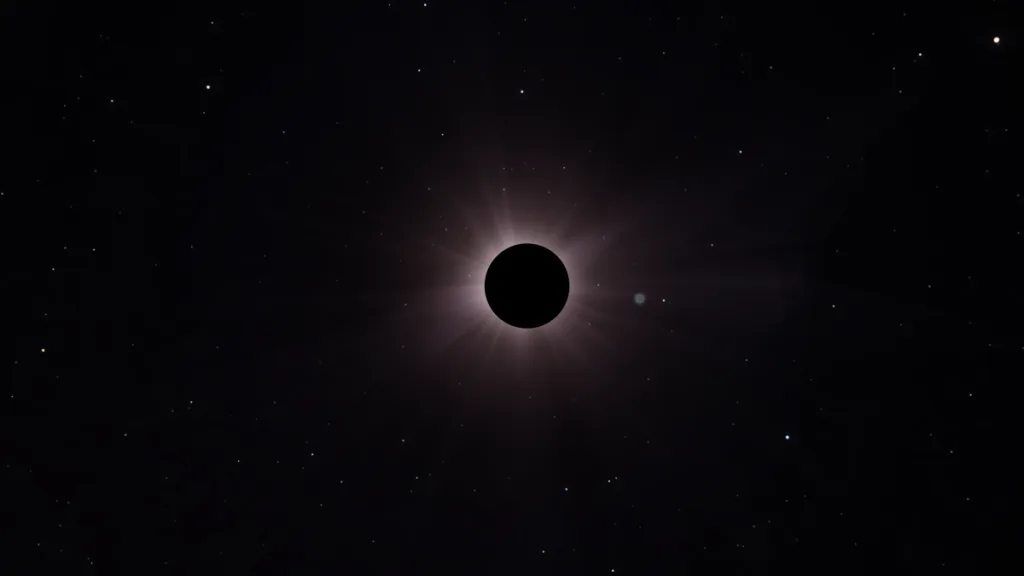
It is incredibly difficult to directly image exoplanets, as they are normally billions of times dimmer than their host stars. It is similar to attempting to take a picture of a firefly next to a spotlight. However, with a coronagraph, the telescope can block a star’s light to see the planets orbiting it. However, Roman’s advanced coronagraph instrument will block out the host stars’ light, allowing astronomers to directly image some of the exoplanets in detail. Amazingly this can be done even when the planet is more than 100 million times fainter than its host star.
Looking back at the early Universe
The planned observing pattern for the Roman telescope is fast detailed scans of the sky in infrared light. These observations will tell us a lot about the early Universe and its expansion over time. Due to its huge field of view and high quality imaging capabilities Roman will image billions of stars, millions of galaxies, and vast areas of previously unexplored space. This will allow astronomers to investigate some of the biggest questions in astronomy: what is the mysterious Dark matter and DArk energy which makes up most of our Universe?
Dark matter
Dark matter appears to make up about 25% of the Universe. As the name suuggests, we can’t directly observe dark matter, instead we infer its presence by how it affects objects in the Universe, such as the apparent shape of galaxies. Similar to microlensing of star light around foreground stars, light from a distant galaxy is bent and distorted due around foreground galaxies, making the galaxy look slightly warped. This effect is called weak gravitational lensing. The light is bent more than it would be from just the visible material in the galaxy, thus giving evidence of the dark matter present.
One of Roman’s main mission goals is to scan approximately 12% of the sky high above our galactic plane, discovering this weak gravitational lensing effect in millions of distant galaxies. Roman will study these tiny changes in the shapes of galaxies, which will enable astronomers to accurately map the distribution of visible and dark matter across the history of the Universe. Additionally, by observing so many galaxies over cosmic time Roman help discover how galaxies evolve over time.
Dark Energy
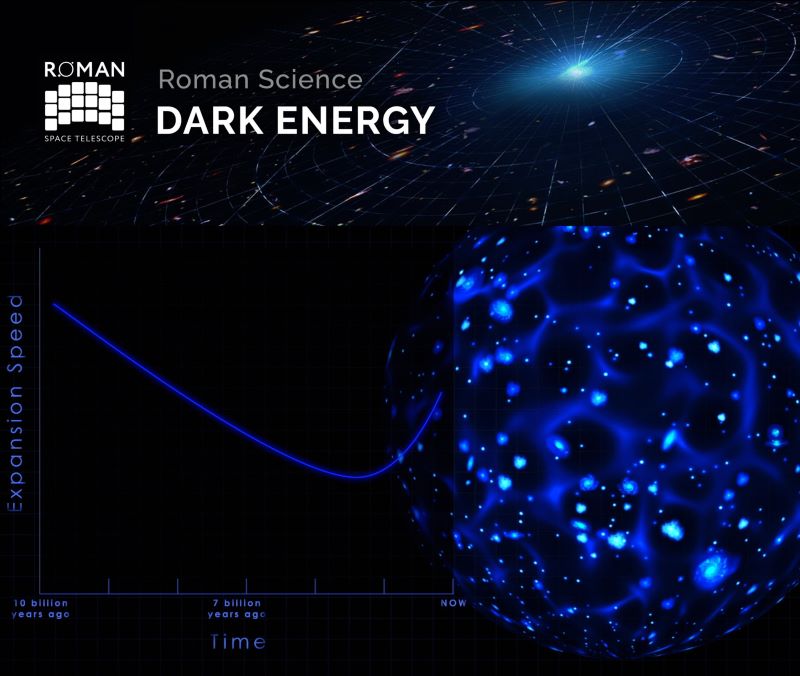
The Universe is expanding and this expansion appears to be accelerating! Astronomers believe a mysterious substance called Dark Energy is responsible, which they think composes about 70% of the Universe. However, as yet it really not understood. Roman will help investigate the nature of Dark Energy and how its evolved over time.
Roman will use supernovas (explosion of stars) in distant galaxies to try to trace the Dark Energy. Type Ia supernovas are all approximately the same brightness at the peak of their explosions so can be used as distance indicators, providing insights into how fast the Universe is expanding, and thus learn about Dark Energy.
A further method Roman will use to investigate Dark Energy is baryonic acoustic oscillations. These are imprints of sound waves that once rippled through the very early Universe. As the Universe cooled, these ripples became frozen in place. As time passed, along the frozen ripples, clusters of galaxies formed. The Universe expanded gradually over time, which in turn stretched the ripples, and thus the distance between galaxies increased. By investigating the distribution of galaxies over cosmic distances, astronomers can study how the Universe expanded. Allowing us to investigate the nature of dark energy.
Extreme cosmic objects
As well as all the exciting science already described, Roman will also discover a range of extreme events due to its large field of view and high sensitivity. These include; the birth of black holes when neutron stars merge, tidal disruption events, active galaxies hosting extremely bright quasars at their centres and even faint faraway quasars from the period of reionisation.
Summary
The Roman telescope is an infrared telescope, launched into space on 30th August, on its way to L2. It is the same size as Hubble, but each image will cover the same area of sky as 100 Hubble images with the same clarity Hubble has in optical light. Roman will revolutionize our understanding of exoplanets in our Milky Way galaxy, Dark Matter and Dark Energy.
We currently know of around 6000 exoplanets, discovered since the 1990s. Over the 5 year mission, Roman is predicted to discover around 100,000 exoplanets, and directly image many of these using its Coronagraph Instrument. It will also survey over 1 billion galaxies, and detect supernovae explosions in other galaxies. The supernovae and galaxy measurements will help scientists investigate mysterious Dark Matter and Dark Energy, which dominate our Universe and are shaping it on the largest scales.
This post was written by Dr Heather Campbell for Mission Astro.
If you have any questions about this post or our services, please contact us on missionastro.org.
References
- https://science.nasa.gov/mission/roman-space-telescope/
- https://www.youtube.com/watch?v=6o3m9Bw67Os
- https://www.esa.int/Science_Exploration/Space_Science/Cutting-edge_infrared_space_telescope_Roman_set_to_launch
- https://science.nasa.gov/blogs/roman/2026/09/01/nasa-romans-planet-imager-has-powered-on/
- https://science.nasa.gov/blogs/roman/2026/09/01/nasa-roman-space-telescopes-antenna-visor-deployed/
- https://www.planetary.org/space-missions/roman-space-telescope
- https://www.planetary.org/space-missions/roman-space-telescope
- https://science.nasa.gov/mission/roman-space-telescope/coronagraph/
- https://earthsky.org/space/nancy-grace-roman-space-telescope/