
Stargazing in the City: The Urban Challenge
Reading Time: mins
How to Stargaze in the City Despite Light Pollution
Who says you need to escape to the countryside to see the stars? With the right tricks, your own rooftop, park, or balcony can become a window to the universe. Even with the glow of street lamps, skyscrapers, and busy roads, the wonders of the universe are still waiting to be discovered. With some simple strategies and a little effort, you can still enjoy the beauty of the night sky—even in the middle of a city.
Why Light Pollution Matters for Urban Stargazing
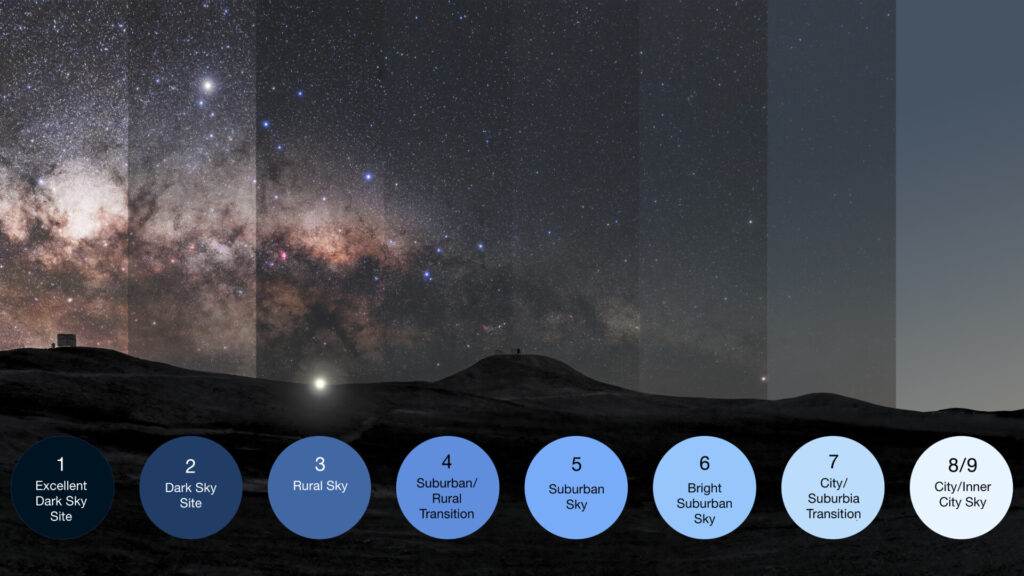
City life is full of energy, excitement, and lights—lots of lights! While this makes cities vibrant, artificial light creates a major barrier for those who love to look up at the stars. Light pollution drowns out the night sky, making it difficult to spot anything beyond the brightest celestial objects. But there’s good news: just because you live in an urban area doesn’t mean you have to give up on stargazing! With a few adjustments, some simple tools, and a better understanding of light pollution and atmospheric conditions, you can still enjoy the night sky from your own city.
Why Light Pollution Matters for Stargazing
Light pollution is caused by excessive and misdirected artificial light from sources like streetlights, buildings, billboards, and vehicle headlights. This constant glow brightens the night sky, making it harder to see stars, planets, and other celestial bodies. If you live in a busy city like London, Manchester, or Birmingham, you’ll probably notice that only the brightest stars or planets are visible—and even they struggle against the urban glow.
A Brief History of Light Pollution
In the early 20th century, artificial lighting was limited, and even city dwellers could enjoy a sky full of stars. As cities grew, streetlights, neon signs, and LED lighting began to fill the night sky with artificial brightness. This phenomenon, known as sky glow, has worsened dramatically in recent years. Skyglow is increasing by about 10% every year worldwide. Many of us now live in cities where the Milky Way is no longer visible—a sight that was once an everyday experience for our ancestors.
Atmospheric Transparency and Its Effect on City Stargazing
While light pollution is the main culprit for poor stargazing in cities, atmospheric transparency plays an important role too. Transparency refers to how clear and stable the air is, allowing light from distant stars to pass through without scattering. In urban areas, transparency is often reduced by humidity, dust, pollution, and weather conditions. The best conditions for transparency are:
- After Rain: Rainfall clears dust and pollutants from the air, leaving a crisper, clearer sky.
- Low-Humidity Nights: Dry nights improve visibility, making it easier to see faint stars and celestial objects.
- Cold, Clear Nights: Cooler air holds less moisture, reducing light scattering and enhancing clarity.
Being aware of these conditions can help you plan your stargazing sessions for when the view will be clearest.
How Technology Can Improve Stargazing in the City
Even in brightly lit cities, modern technology unlocks exciting new ways to explore the night sky. While artificial lighting washes out many stars, digital tools can help city dwellers uncover celestial wonders with ease. Apps such as Stellarium, SkyView, and Star Walk use augmented reality to map the cosmos in real time. By pointing a smartphone at the sky, users can instantly locate planets, constellations, and even satellites, revealing the hidden universe beyond the glow of city lights.
For those looking for a more immersive experience, digital planetariums and virtual reality (VR) simulations offer a cutting-edge way to interact with space. Platforms like NASA’s Eyes on the Solar System and Google Sky let users dive into the cosmos, exploring galaxies, nebulae, and planets as if they were on a space mission. This technology is a game-changer for urban residents who rarely get to see a truly dark sky, providing a stunning glimpse of the Milky Way and distant star clusters as they would appear in the world’s darkest locations.
Advancements in technology have also made remote telescope access possible. Several observatories now let users control powerful telescopes online, capturing images of deep-space objects that would otherwise be invisible from a city. Websites like iTelescope.net give amateur astronomers the ability to photograph nebulae, galaxies, and even exoplanets, offering a thrilling new way to engage with the universe from anywhere on Earth.
With these tools, city stargazers no longer have to feel disconnected from the cosmos. Technology is revolutionising the way we experience space, bringing the wonders of the universe within reach—no matter how bright the city lights.
Simple Ways to Minimise Light Pollution for Better Stargazing
Even in the heart of a city, you can improve your stargazing experience with a few simple tricks:
- Switch Off Nearby Lights: If you’re in your garden, balcony, or on a rooftop, turn off outdoor lights. Ask your neighbours to do the same if possible.
- Use Natural Barriers: Trees, walls, and buildings can help block direct light from street lamps.
- Find Higher Ground: Rooftops, hills, or observation decks can lift you above street-level lights, giving you a clearer view of the sky.
- Give Your Eyes Time: Allow at least 20–30 minutes for your eyes to adjust to the dark. This helps you see fainter stars and celestial objects more clearly.

Finding the Best Places for Stargazing in the City
Even in the busiest cities, there are places where the night sky is a little clearer. Large parks like Hampstead Heath in London, Heaton Park in Manchester, and Arthur’s Seat in Edinburgh often have areas where the glow of streetlights is less intense. Lakes, riversides, and coastal areas can serve as natural buffers against city lights. University campuses sometimes offer public stargazing events or have observatories you can visit. If you’re keen to connect with fellow stargazers, joining a local astronomy group is a great option. These clubs often organise “dark sky” meetups or stargazing events within or near the city.
For Truly Dark Skies: The Best Stargazing Locations
If you can travel beyond the UK, some places offer fantastic views of the night sky. Around the world, the Atacama Desert in Chile, Mauna Kea in Hawaii, and the Namib Desert in Namibia are renowned for their clear, light-pollution-free skies. Closer to home, the UK has some stunning Dark Sky Reserves:
- Northumberland International Dark Sky Park – The largest protected night sky area in Europe.
- Galloway Forest Park (Scotland) – Famous for its regular stargazing events.
- Brecon Beacons (Wales) – Offers spectacular views of the Milky Way and meteor showers.
These locations provide some of the darkest, clearest skies you’ll find, making them perfect for observing the night sky.
The Future of Urban Stargazing and Dark-Sky Preservation
If light pollution continues to increase, fewer people will have access to truly dark skies. The loss of our night sky heritage could lead to a declining interest in astronomy and a diminished curiosity about our place in the universe. Fortunately, awareness of light pollution is growing. More cities are adopting dark-sky initiatives and using shielded lighting to reduce unnecessary illumination. With a little effort, we can restore some of the night sky’s natural beauty.
Blog written by Laura Ash for Mission Astro.